

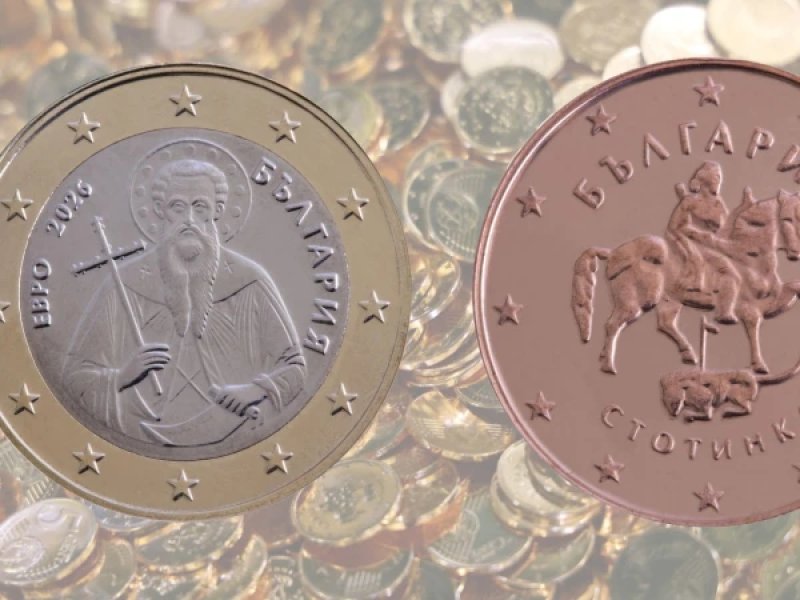
Joining the eurozone has become a "strategic choice at a contentious moment" and a "final step" in integration with the European Union, emphasized President Rumen Radev. At the same time, he described the refusal of the National Assembly (parliament) to hold a referendum on switching to the euro as "one of the vivid symptoms of a deep divide between the political class and the people." Earlier this summer, the European Commission recommended accepting Bulgaria into the eurozone. Against this backdrop, protests against abandoning the lev took place in Sofia and other major cities across the country. Opponents of the common European currency, including supporters of the pro-Russian party "Revival," speak of the threat of rising inflation and decreasing purchasing power. President Rumen Radev remains an opponent of the euro, having supported the idea of a referendum. However, the pro-European majority in the country's parliament rejected this proposal and accused Radev of pro-Russian actions. In 2024, the inflation rate in Bulgaria was 2.7 percent, which is slightly below the required level for the country to join the eurozone. The Bulgarian lev has been pegged to the euro through an exchange rate mechanism since 2020.