

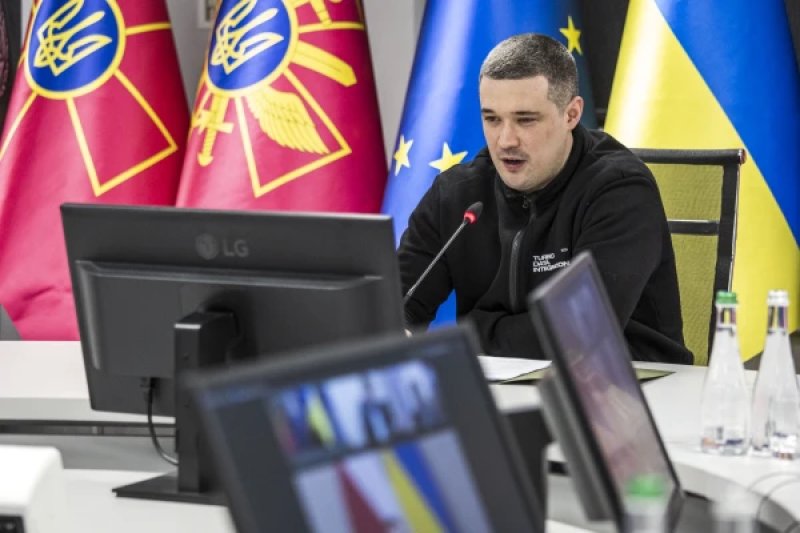
On Saturday, Musk wrote that the measures taken by SpaceX to prevent unauthorized use of Starlink by Russia "seem to have worked." In response to Musk's message on his social network X, Fedorov wrote that "the first steps have indeed worked," and that representatives from Kyiv and SpaceX are discussing new measures to prevent Russia from using Starlink on the front line. He also thanked Musk for his assistance, calling him a "defender of freedom" and a "friend of the Ukrainian people." Fedorov reminded that in the early days after Russia's invasion, Musk sent Starlink terminals to Ukraine and allowed the Ukrainian army to use the connection for free. Leading Ukrainian military radio technology expert Sergey Beskrestnov first reported on December 15, 2025, the discovery of a Russian drone equipped with Starlink. On January 25, he became an advisor to the Ukrainian Defense Minister on technology issues. Recently, the U.S. Institute for the Study of War published a report stating that the Russian armed forces are increasingly using Starlink to strike Ukrainian territory with long-range drones. On January 31, Beskrestnov stated on Telegram that many Starlink users in Ukraine "are already seeing the first countermeasures that SpaceX has taken at the request of the Ukrainian Defense Ministry." He described them as temporary and emergency measures that will eventually be replaced by a "globally thought-out solution." Ukrainian agency UNIAN reports that SpaceX has begun tracking the speed of the terminals: they stop working as soon as the drone or other device they are installed on accelerates to 75–90 kilometers per hour. At the same time, Russian military bloggers claim that restrictions have been imposed on all terminals, including those used by the Ukrainian army. In the future, separate terminals for Ukrainian military personnel are planned, which will not be subject to these restrictions. Earlier, Beskrestnov explained that the problem is complicated by the fact that Starlink cannot be neutralized by electronic warfare means, and it is also impossible to determine their location in flight using such means. Additionally, the problem is related to the fact that although Starlink supplies to Russia are not officially carried out, terminals can end up there through third countries. And if they are installed in territories of Ukraine occupied by Russia, it is difficult to block them without also blocking communications for the Ukrainian army.