

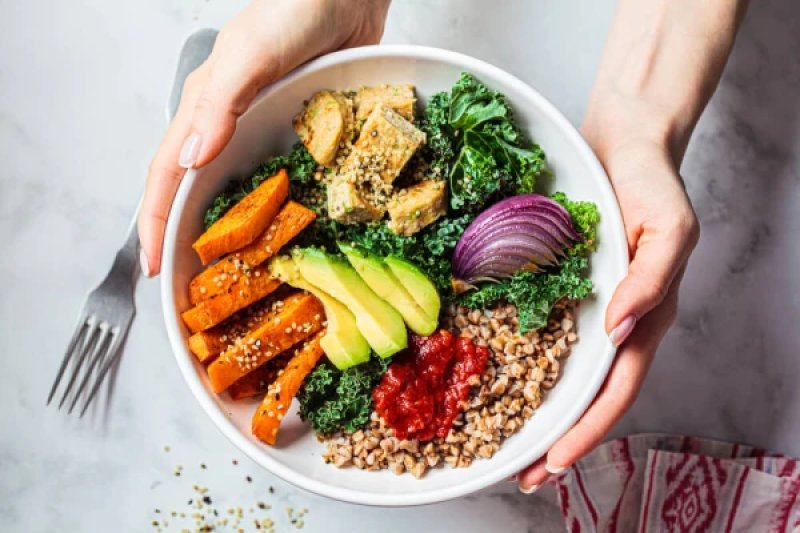
## Why It’s Important to Balance Your Diet A vegetarian diet can provide complete nutrition, but excluding meat and fish increases the risk of deficiencies in certain nutrients, especially if the diet is not varied. Dietitians confirm this: plants provide many beneficial vitamins and minerals, but key substances such as vitamin B12, iron, and omega-3 require attention to sources and possibly — supplements. ## Where to Get Protein Protein is necessary for building tissues, hormones, and enzymes. On a plant-based diet, it can be obtained from: * legumes — lentils, peas, beans; * soy products — tofu, tempeh; * whole grains — quinoa, buckwheat, spelt; * nuts and seeds — flaxseeds, chia seeds, pumpkin seeds. Combining such products helps to obtain a complete set of amino acids and meet daily protein requirements. ## Vitamins and Micronutrients: What to Look For **Vitamin A and Beta-Carotene** Plant sources — carrots, spinach, pumpkin, and sweet potatoes — provide beta-carotene, which the body converts into vitamin A. Fats in dishes improve its absorption. **Iron** Iron from plants is absorbed worse than from meat, so it is important to combine iron-rich foods (such as lentils and leafy greens) with sources of vitamin C (citrus fruits, bell peppers) to enhance absorption. **Vitamin B12** This vitamin is virtually absent in plant foods. Fortified products (breakfast cereals, plant-based milk) and supplements are key to preventing deficiency, especially for strict vegetarians. **Calcium, Zinc, and Other Minerals** Calcium can be obtained from broccoli, tofu, and fortified drinks; zinc — from seeds, nuts, and whole grains. It is important to monitor the variety of the diet. **Omega-3 Fatty Acids** Plant sources of ALA omega-3 are beneficial for the cardiovascular and nervous systems: flaxseeds, chia seeds, walnuts. If necessary, consider supplements with EPA and DHA from microalgae. ...Vegetarianism is possible without deficiencies if the diet is composed with attention to the needs for protein, iron, vitamin B12, and other key nutrients. A variety of foods, combinations of protein sources, and careful attention to vitamins and minerals will help maintain health without animal products. If necessary, it is advisable to consult a dietitian and discuss the intake of supplements and periodic testing.