

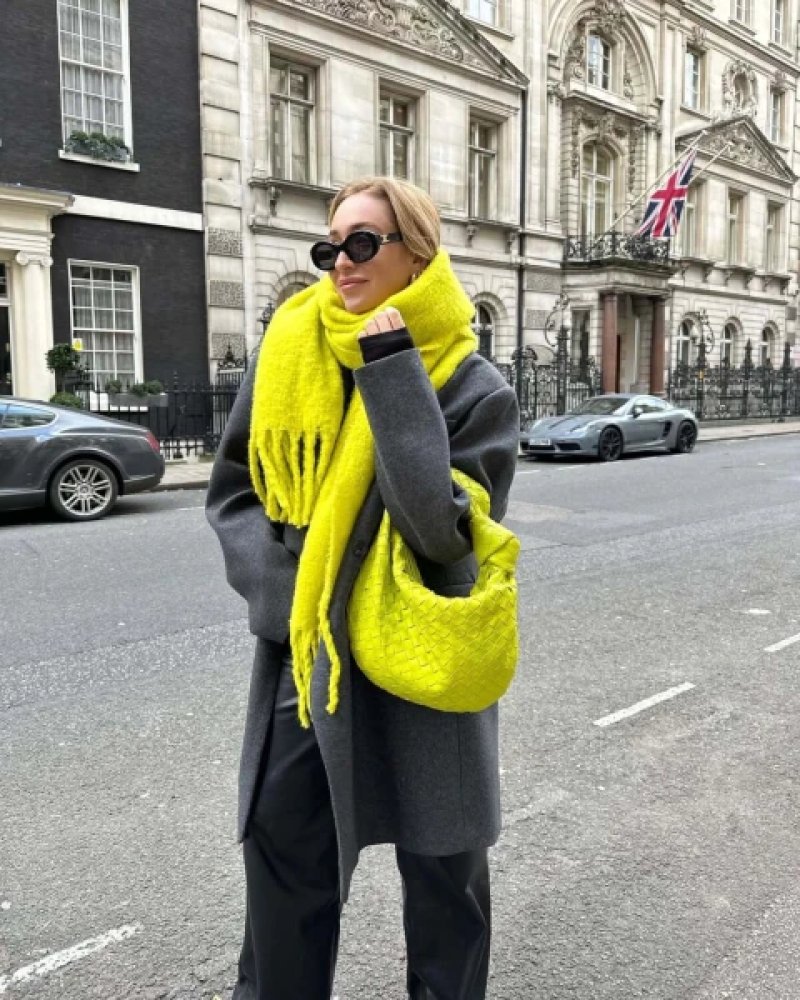
Fringe has maintained its position as a prominent fashion trend for several seasons. In 2026, it received a new interpretation — in the form of scarves, which are actively appearing in street style and fashion editorial selections. Decorative threads add dynamism to even the most minimalist outfit, making the look more textured. Style experts highlight two relevant formats of the accessory. The first is a voluminous shawl made of wool or blended fabric. This option is suitable for cool weather and pairs well with straight-cut coats, thick jackets, and knitwear. The long fringe serves as a final accent and enhances the visual volume. The second format is a lightweight scarf made of silk, viscose, or fabrics with added elastane. It is characterized by its flexibility and is suitable for styling experiments. Thin models are most often used for unconventional ways of wearing. ## Three Ways to Style **1. Classic Option — Around the Neck.** The most universal way is to drape the scarf loosely around the neck, leaving the ends in front. A slight asymmetry is allowed: one end can be longer than the other. The main rule is not to hide the fringe, as the movement of the threads creates the desired effect. 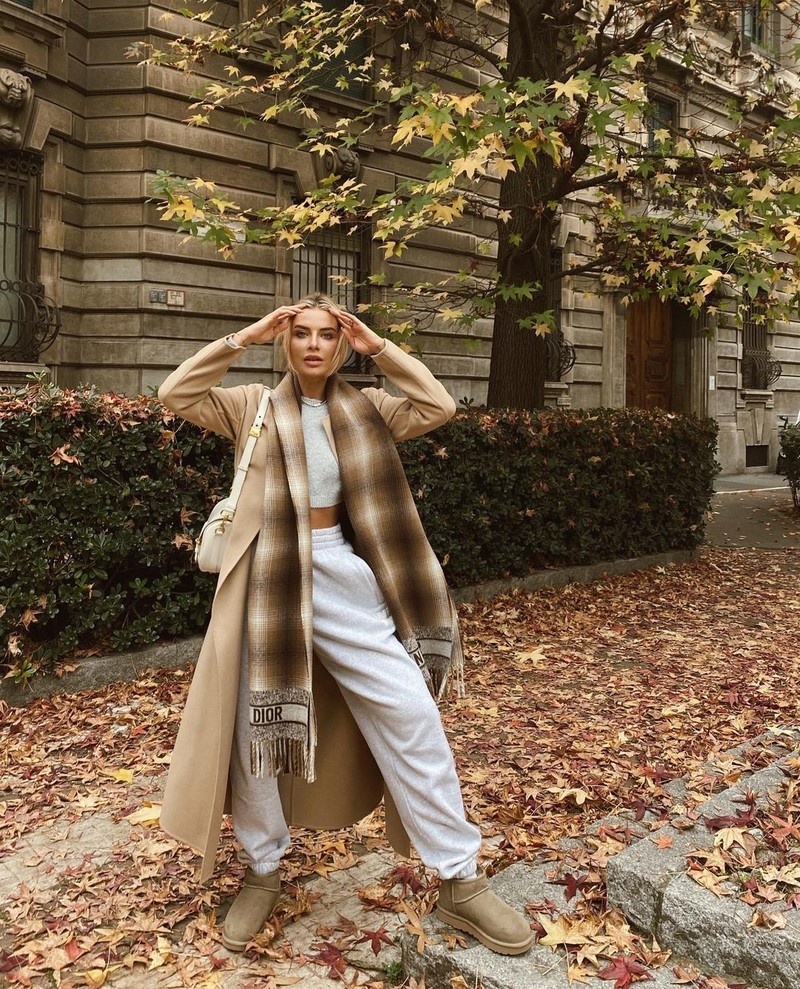 **2. As a Belt.** A thin scarf can be folded lengthwise and used as a decorative sash over trousers, a skirt, or even a coat. A knot or soft bow secures the accessory at the waist, while the freely hanging fringe creates a sense of dynamism. 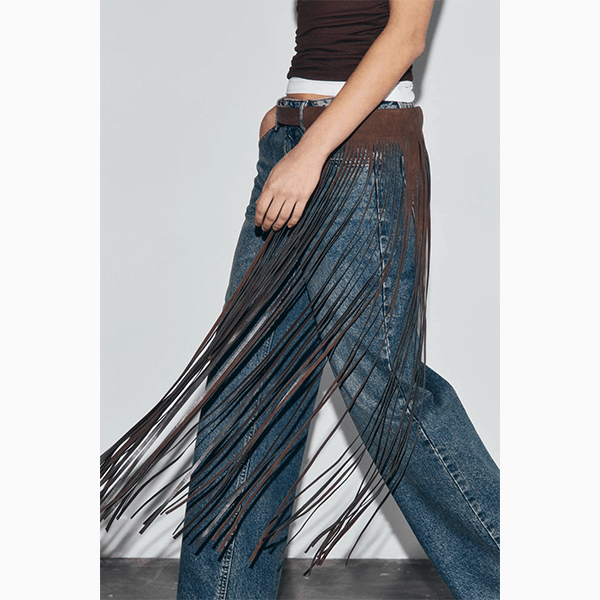 **3. As a Wrap.** A wide shawl can be casually draped over the shoulders over a dress or basic sweater. If desired, it can be secured with a brooch. In this case, the scarf takes on the role of the central accent of the look. 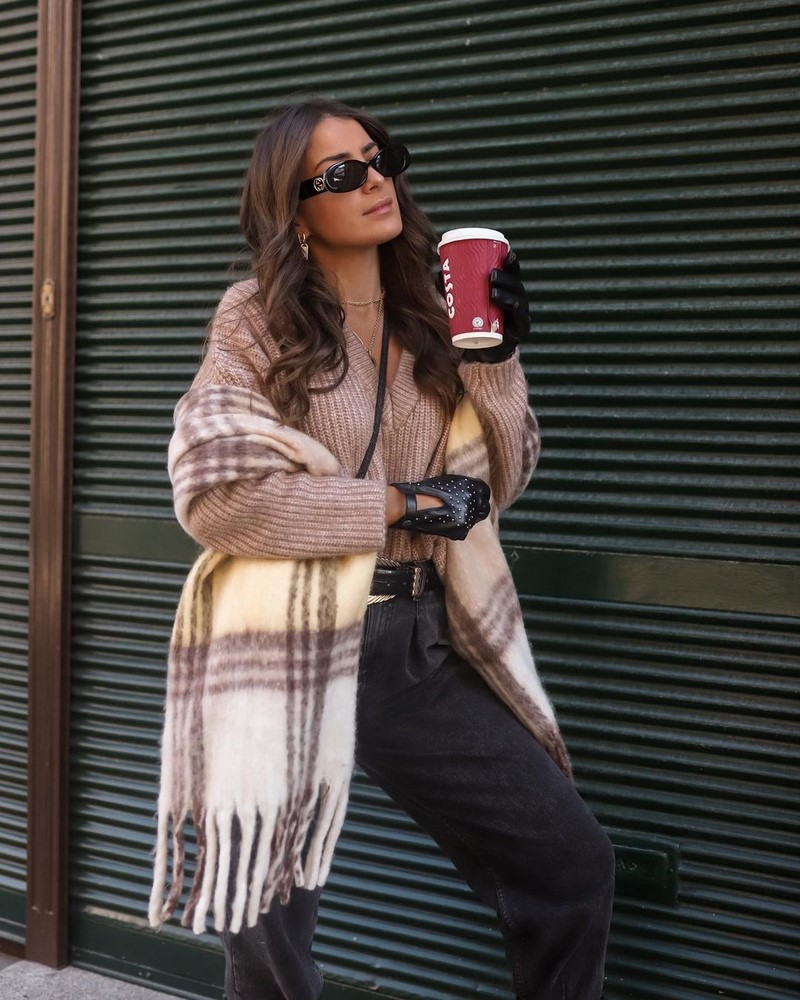 ## Color Solutions Stylists recommend choosing neutral shades — milk, beige, caramel — if the accessory is intended as a universal wardrobe element. More saturated options, such as ochre, terracotta, or deep green, are suitable for creating expressive accents. 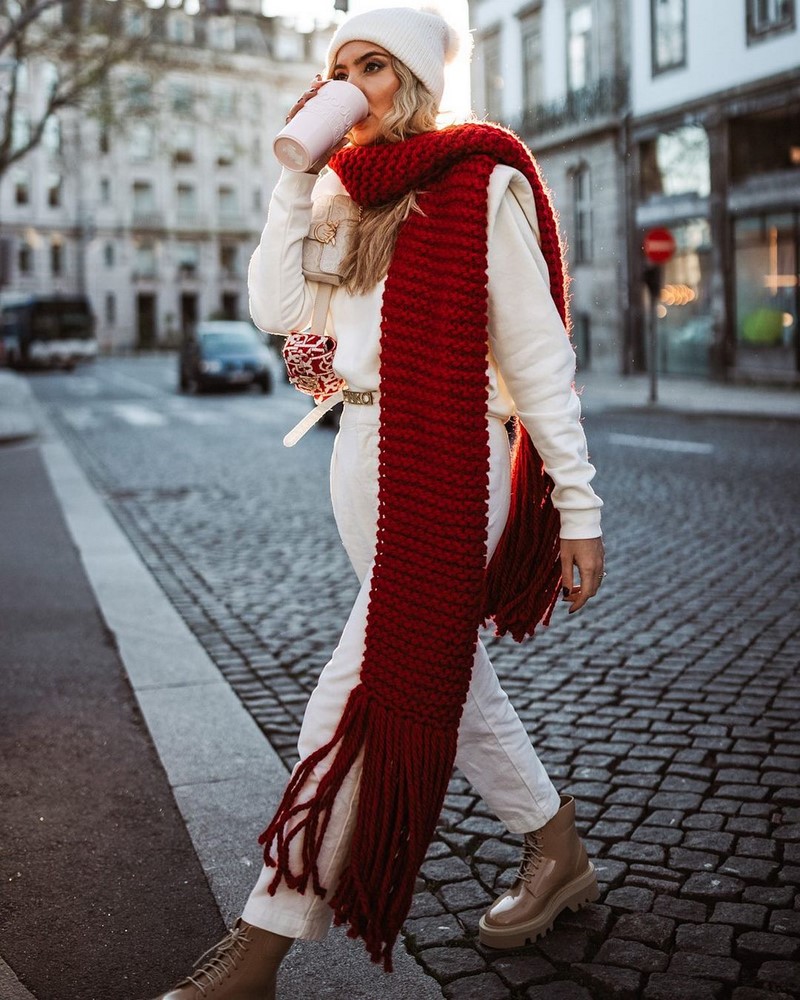 ...The fringed scarf in the spring 2026 season became an example of how one accessory can change the character of the entire look. Versatility, variability in wearing, and expressive texture have made it a noticeable element of the wardrobe. According to stylists, it is precisely such functional and transformable details that define modern fashion trends.