

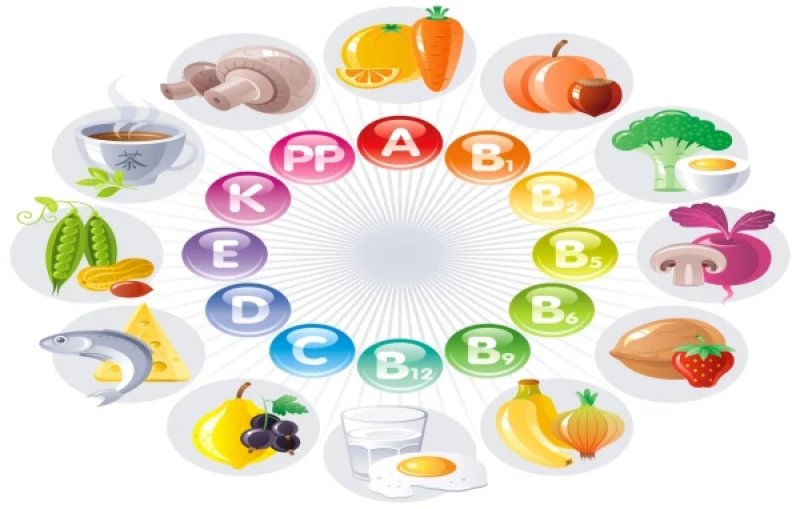
### Up to 35 years At this age, it is important to ensure good health and prevent future problems. * **Vitamin E**: beneficial for sperm production in men and for conception and carrying a pregnancy in women. It is a powerful antioxidant that helps prevent cardiovascular diseases and improves mental activity. Where to find: in vegetable oils (sunflower, soybean), seeds, sprouts, and leafy greens. * **Vitamin B9 (folic acid)**: necessary for the normal functioning of the nervous system and brain development in the child, as well as for maintaining the hematopoietic system in adults. Where to find: in greens, spinach, Brussels sprouts, liver, whole grains, and legumes. ### 35–45 years This is a period of stability, but also the beginning of the first signs of aging, so the need for vitamins increases. * **Vitamin A and beta-carotene**: support the health of the eyes, skin, and hair, and reduce the risk of cardiovascular diseases. Vitamin A also helps strengthen the immune system. Where to find: in yellow and orange vegetables (carrots, pumpkin), as well as in eggs, butter, and offal. * **Vitamin C**: helps increase the level of "good" cholesterol and decrease "bad" cholesterol, helps slow down the skin aging process, and strengthens bones. Where to find: in fresh cabbage, citrus fruits, berries, and bell peppers. ### 45+ years After 45, vitamins become even more important for maintaining health and preventing diseases. * **Vitamin D**: necessary for calcium absorption and maintaining bone density. In people over 65, its deficiency increases the risk of cardiovascular diseases. Where to find: vitamin D is synthesized in the skin under the influence of sunlight and is also found in fish and egg yolks. During the winter period, supplementation may be required. * **Vitamin K**: plays an important role in blood clotting and bone mineralization. Its deficiency can lead to bruising and swelling under the eyes. [Source](https://pomada.cc)