

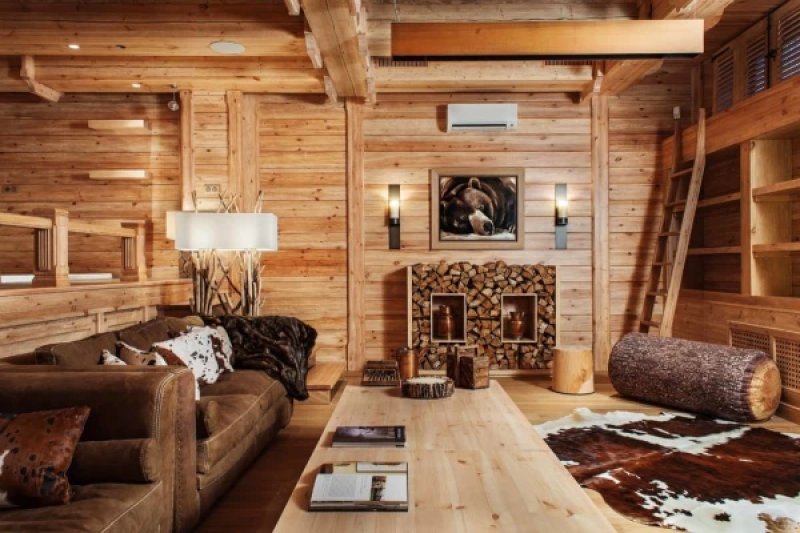
## Natural Contact Increases Comfort Wood, due to its texture, warmth, and natural pattern, is perceived by the body differently than synthetic materials such as plastic or metal. Experts note that the soft transitions of color and the natural rhythm of wood fibers create a sense of safety and calmness. Even tactile contact with a wooden surface (such as a countertop or a mirror frame) can evoke a feeling of coziness, which is especially important in work or living spaces. Research shows that rooms with wooden elements can reduce the activation of stress responses in the nervous system, contributing to overall relaxation and decreased anxiety. ## Influence on Mood and Thinking In addition to alleviating emotional tension, wood in interior design can positively influence thinking. The textures, warmth of the visual image, and tactile properties of the material enhance concentration and reduce mental strain, creating a more harmonious atmosphere for work and relaxation. This connection is supported by studies where wooden elements improved cognitive function and increased the sense of well-being in people in spaces filled with natural materials. ## Design and Biophilia The idea of using wood in interior design also fits into the concept of biophilic design — an approach based on the human desire for a connection with nature. Wood, its natural patterns, and warm color palettes create visual and tactile contact with nature, which enhances the sense of well-being and promotes emotional balance. ...Wooden interior items — from furniture to accessories — not only decorate the space but also have a measurable impact on a person's psychological state. Due to its natural texture, warmth of visual perception, and tactile qualities, wood helps reduce stress levels, improve mood, and maintain clarity of thought. This approach makes wood an integral element of modern design focused on beauty and well-being.