

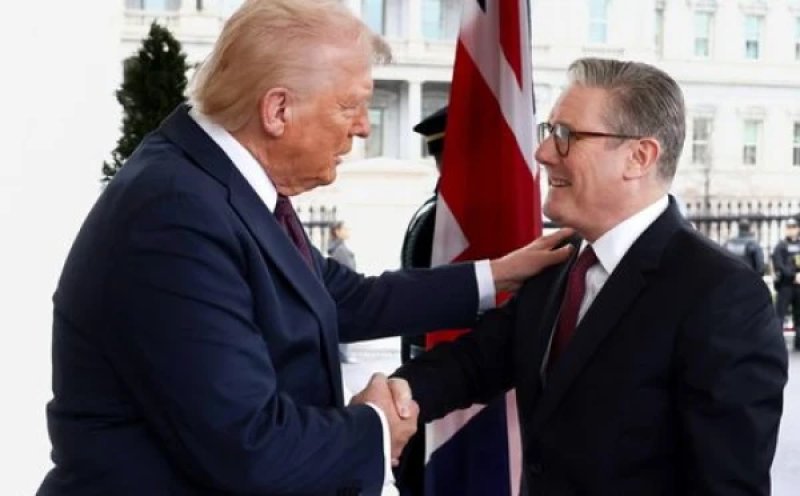
The head of the British government "did not want to help" when Washington and Jerusalem began striking Iranian targets on February 28, 2026, the American leader said in an interview with The Sun and The Telegraph. Trump admitted he is "disappointed with London’s position," which, in his opinion, led to a delay in obtaining permission to use British military bases (including Diego Garcia and facilities in Cyprus) for offensive actions. "He (Starmer – ed.) was not helpful. I never thought I would see such a thing from the UK," The Guardian quotes President Trump. He also emphasized that due to disagreements over the Iranian issue, current relations between the two countries "are obviously not what they used to be." For his part, Keir Starmer confirmed the existence of disagreements with Washington. Speaking on March 2 in the House of Commons, the Prime Minister insisted that it is his duty to protect Britain’s national interests and uphold international law. Starmer explained that the United Kingdom does not support the concept of "regime change from the air" and did not participate in the initial offensive sorties on February 28, Sky News reported. Nevertheless, against the backdrop of Iran's retaliatory attacks on British facilities (including the Akrotiri airbase in Cyprus), London changed its position regarding defense. Starmer authorized the use of British bases by U.S. forces for "limited defensive purposes" aimed at destroying Iranian missile launchers. "We did not participate in the initial strikes and will not join offensive actions now," Starmer emphasized, referring to the lessons of the Iraq war and the need for a "legitimate and considered plan." The conflict between the leaders highlighted a serious diplomatic rift. According to The Washington Examiner, while France and Germany expressed a willingness to assist American operations, Britain took a more cautious stance, which Trump called "regrettable" and unprecedented in the history of bilateral relations.