

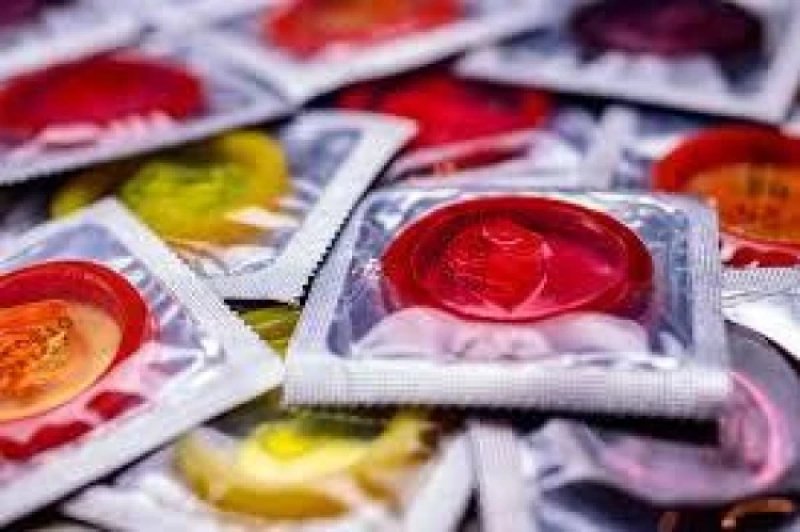
Karex, the world's largest condom manufacturer, states that logistics disruptions and rising costs due to the war involving Iran are leading to price increases. The Malaysian company Karex, the largest condom producer in the world, announced that it would have to raise prices by 20-30% if supply chain disruptions caused by the war involving Iran continue. According to Karex CEO Go Mia Kiat, the company is seeing an increase in demand for condoms after clients ran out of stock due to rising transportation costs and delivery delays, he told Reuters in an interview. Karex produces over five billion condoms annually and exports its products to more than 130 countries. Its clients include major global brands such as Durex and Trojan. The company also supplies condoms to the UK's National Health Service (NHS) and organizations such as the Global Fund to Fight AIDS, Tuberculosis and Malaria and the United Nations Population Fund. "The situation is definitely very fragile, prices are high. We have no choice but to pass these costs on to customers now," said Go. According to the company, shipments heading to Europe and the US are taking nearly two months, and some cargoes are stuck on ships and cannot reach their destinations. Since the war began in February 2026, Karex has been experiencing rising costs for synthetic rubber and nitrile used in condom production, as well as for packaging materials and lubricants such as aluminum foil and silicone oil, Go reported. Most condoms are made from natural latex, which is the sap of rubber trees. Non-latex options are typically made from nitrile and polyurethane. Supply chains for petrochemical derivatives have been affected by transportation disruptions related to the conflict's impact on shipping through the Strait of Hormuz. Suppliers of aluminum and petroleum products used for condom packaging are also reporting disruptions. ## ## Global Condom Shortage The global condom market has already faced shortages due to the scaling back of the U.S. Agency for International Development (USAID), which was the largest bilateral donor in family planning and reproductive health. The agency accounted for 35% of contraceptives in global family planning supply chains, providing supplies to 23 countries. Countries in Africa and the Middle East, the largest recipients of USAID aid, report shortages of sexual health products following the agency's cessation of operations. According to the Joint United Nations Programme on HIV/AIDS (UNAIDS), the distribution of male condoms in Nigeria decreased by 55% from December 2024 to March 2025. Go stated that Karex has enough stock for the next few months and plans to increase production to meet the growing demand.