

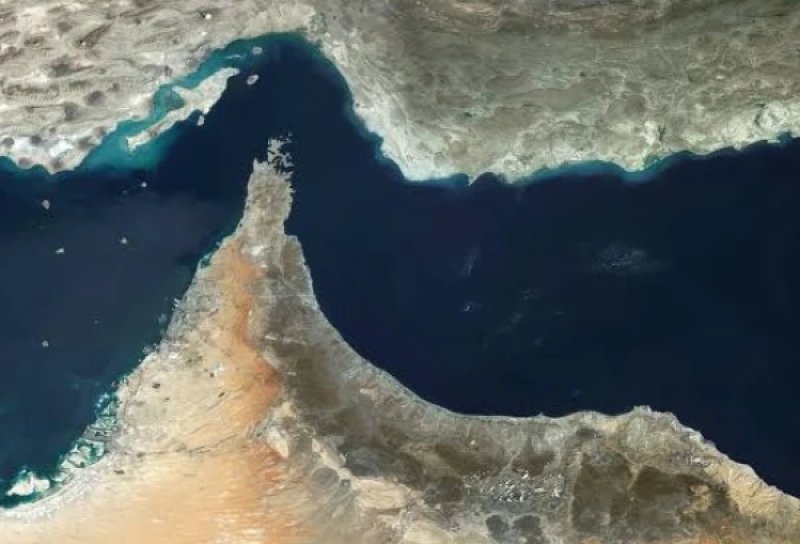
## Pay and Sail On According to agency sources, this viewpoint is held both in Europe and in the Persian Gulf countries (although it is not necessarily the official position). It remains unclear what specific types of payments and amounts may be involved. At the same time, the United States and Arab countries of the Persian Gulf continue to insist that Iran and Oman have no right to impose any fees for passage through the Strait of Hormuz. Governments fear that this will create a precedent allowing other states to charge fees for passage through other international waterways, Bloomberg notes. ## Malacca Precedent Last week, the government of Oman informed European officials that restoring the pre-war status quo in the Strait of Hormuz is impossible. Vessels passing through it will likely be required to pay for environmental cleanup services and navigational support. According to one Bloomberg source, Oman is examining the experience of the Malacca Strait in Asia as a possible model for future regulation. The strait is jointly managed by Indonesia, Malaysia, and Singapore. These countries charge fees for navigational and security services that are effectively provided to vessels. There is also a special fund that receives voluntary contributions to ensure safe navigation, although information about funding levels is published irregularly. In 2017, Singapore reported that over the previous ten years, $22 million had been raised for the fund, or about $2.2 million per year. According to Oman's leadership, a model similar to that of Malacca will work provided it is supported by all Persian Gulf states. It remains unclear whether Iran will agree to a system of voluntary payments.