

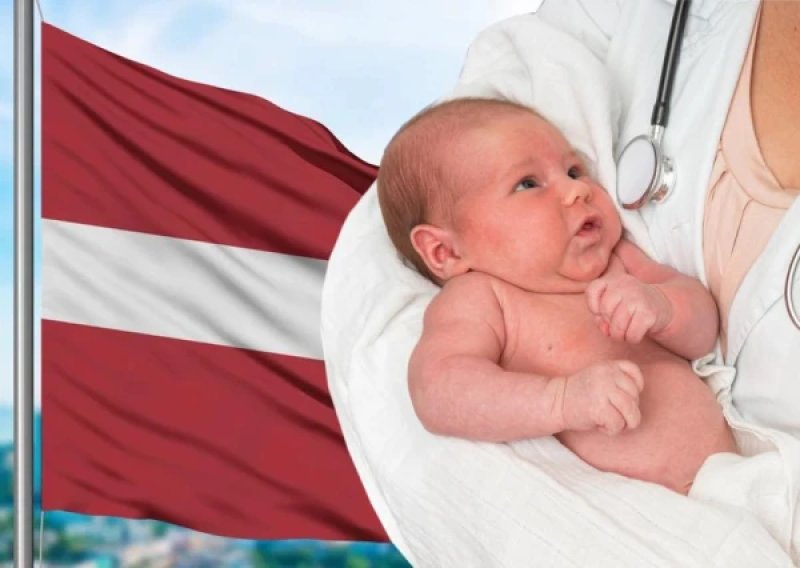
The population of the European Union continued to grow in 2025. According to Eurostat, as of January 1, 2026, an estimated 452 million people lived in the EU, which is 706,000 more than the previous year. Population growth has been observed for the fifth consecutive year since 2021, when the EU population declined due to the coronavirus pandemic. Since 2012, the natural population growth in the European Union has been negative, meaning that deaths exceeded births; however, the total population continued to grow due to a positive migration balance. Over the past ten years, the number of residents in the EU has increased by eight million, and compared to 2006, it has risen by 16 million. In the long term, the population of the European Union has increased by 97.5 million people: from 354.5 million in 1960 to 452 million in 2026. However, the growth rate has slowed down: in the 1960s, the EU population increased by an average of three million people per year, while in the 2010s, it grew by only about 600,000 people per year. Over the year, the population increased in 16 EU member states. The fastest growth was recorded in Malta, where the population increased by 24.1 people per 1,000 residents. It was followed by Cyprus (+13.7 per 1,000 residents) and Luxembourg (+13.1). The most significant population decline occurred in Latvia, where the number of residents decreased by 8.3 people per 1,000 residents. Estonia (-6.8 per 1,000 residents) and Hungary (-5.4) also ranked among the countries with the most significant declines, reports Postimees.