

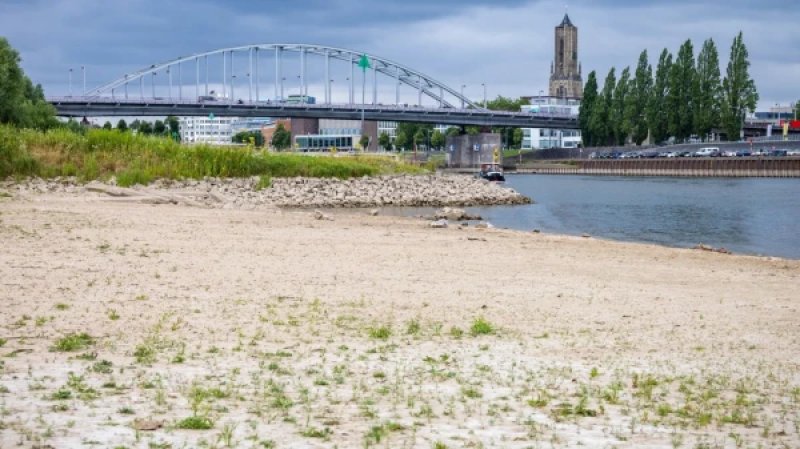
In the Netherlands, the water levels in the Rhine and Maas rivers have dropped to abnormally low marks. According to Rijkswaterstaat, such a low-water situation for mid-July is exceptional and is related to the hot and dry weather. Experts note that the water in the Rhine basin is significantly less than usual. There is practically no snowpack left in the Alps, which normally feeds the river during the summer, and the expected precipitation will not significantly change the situation, reports NOS. "The water level is falling very quickly. We expected this, but we are always surprised at how low the figures become," says Rijkswaterstaat expert Daniel van Putten. Due to the shallowing of the rivers, problems arise for navigation. Cargo ships are forced to carry smaller volumes of goods to avoid running aground, and yacht owners are afraid to enter the harbors. "In my 35 years of work, I have never seen anything like this in July. Usually, such levels occur only in September or October," said Ties van Weik, a representative of the De-Beyland yacht harbor. The low water level also creates difficulties for industry. Rivers warm up faster, so enterprises and power plants cannot always discharge used cooling water without raising the river temperatures even more. According to hydrometeorologist Jan Verkade, if heavy rains do not occur soon, July 2026 could surpass the record dry year of 1976. Experts link the current situation to climate change. Due to the reduction of alpine glaciers and earlier snowmelt in the summer, less water is flowing into the Rhine, while periods of extreme drought are becoming longer. According to specialists, such phenomena will occur more frequently. Without a reduction in greenhouse gas emissions and adaptation to climate change, periods of extreme low water, as well as severe flooding, may become the new norm.