

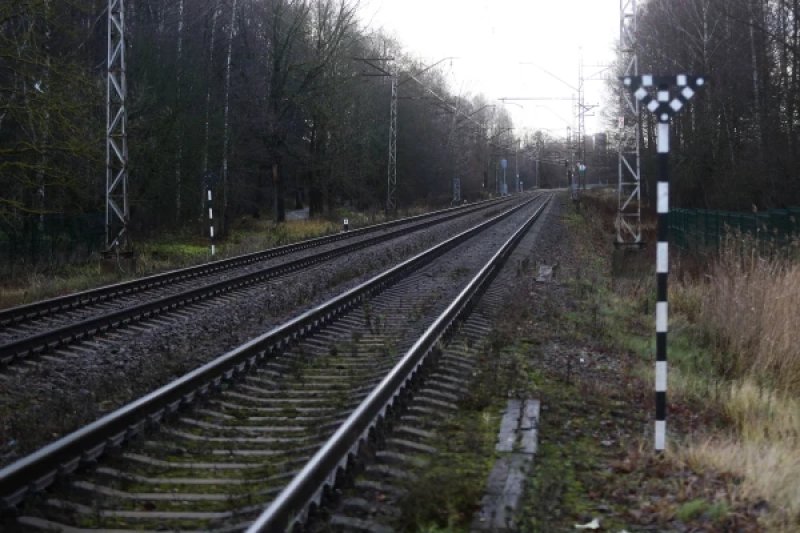
"Latvian Railways" continues to reduce staff and seek ways to cut costs amid the ongoing decline in freight volumes. In this context, authorities do not rule out that in the future passengers may have to pay more for their trips. This was reported by [TV3 News](https://tv3.lv/zinas/ekonomika/smaga-situacija-latvijas-dzelzcela-var-atsaukties-uz-vilciena-bilesu-cenam/). According to the Minister of Transport, Rihards Kozlovskis, the railway industry is currently operating in a "survival mode." > "Let’s be realistic. Currently, passenger transport is heavily subsidized. I cannot rule out that ticket prices will have to be increased," the minister stated. At the same time, the company continues to reduce its workforce. For Daugavpils, where the railway has traditionally remained one of the largest employers, this is far from the first wave of layoffs. Once, the "Latvian Railways" group employed about 12,000 people. Over the years of restructuring, the number of employees has decreased by almost three times. The crisis in the industry has been developing gradually. As early as the early 2000s, Russia began to redirect cargo flows to its own ports. Later, the situation was exacerbated by the full-scale war in Ukraine, sanctions, and changes in logistics routes. According to the data presented in the report, over the past ten years, the volume of cargo transshipment in Latvian ports has decreased by more than half, and railway freight transport has decreased by about seven times. At the same time, the costs of maintaining railway infrastructure remain high, regardless of how many trains run on the tracks. The fewer freight transports there are, the harder it is to cover these costs. In fact, the government has two main options: to increase budget subsidies or to seek additional revenues, including through raising the cost of passenger transport. This situation was discussed by representatives of the railway, port, and logistics sectors at a meeting of the Council on Ports, Transit, and Logistics of Latvia. Finance Minister Maris Kucinskis emphasized that one should not rely solely on additional state funding. > "Obviously, this is one option, but it will definitely not be just money that someone brings and gives away," he said, noting that other solutions are being considered, including closer cooperation with ports and the involvement of the Ministry of Defense in military mobility projects. The Ministry of Transport hopes to present a more detailed assessment of the financial situation in the industry by autumn. After that, it will become clearer what measures will be taken to preserve railway infrastructure and how they may affect passengers.