

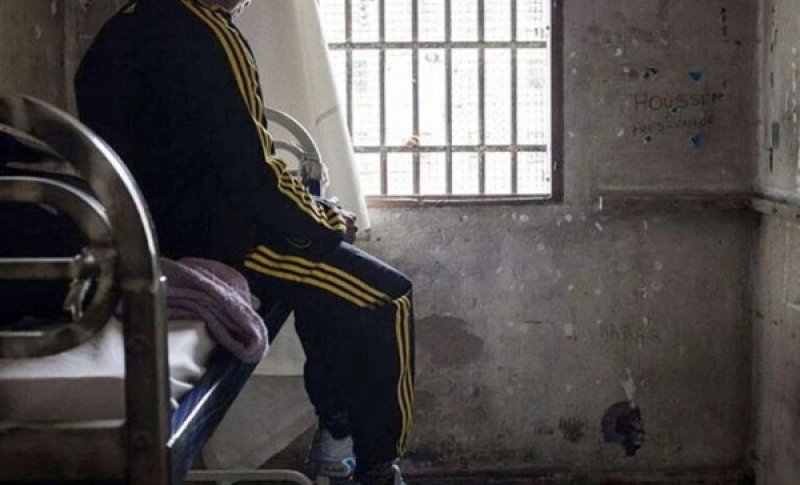
According to the initiative, it is proposed to exclude a number of articles from the Criminal Code from the list of restrictions, including those on the smuggling of cash (Article 200.1), participation in a gang (Part 2 of Article 209), illegal interference with the operation of critically important facilities (Subparagraph "b" of Part 2 of Article 215.4), violation of industrial safety requirements (Article 217.1), illegal handling of nuclear materials (Article 220), their theft (Part 1 of Article 221), smuggling of strategically important goods (Part 1 of Article 226.1) and drugs (Parts 1–3 and Subparagraphs "b", "c" of Part 4 of Article 229.1), organization of illegal migration (Part 2 of Article 322.1), as well as loss of documents containing state secrets (Article 284). At the same time, the prohibition on concluding contracts is proposed to be maintained for those convicted of crimes against the sexual integrity of minors, terrorism, sabotage, espionage, treason, and a number of other serious crimes. Since November 2022, it has been allowed in Russia to mobilize citizens with convictions for most serious crimes, including murder, robbery, banditry, and illegal drug trafficking. In June 2023, the State Duma adopted a law allowing contracts to be concluded with convicts and those under investigation, and later the application of this norm was extended to defendants. Against the backdrop of the expansion of this practice, the number of prisoners in Russian colonies continues to decrease. According to Arkady Gostev, the director of the Federal Penitentiary Service, as of May 2026, there were 282,000 people in places of deprivation of liberty — the lowest figure since the early 2000s. For comparison, at the end of 2021, the number of prisoners was 465,000. Gostev noted that the reduction in the number of convicts "is influenced by the work on recruiting contractors for the Armed Forces." Meanwhile, as early as March, the Deputy Chairman of the Supreme Court stated that there were 308,000 people in Russian pre-trial detention centers and colonies, reports The Moscow Times.