

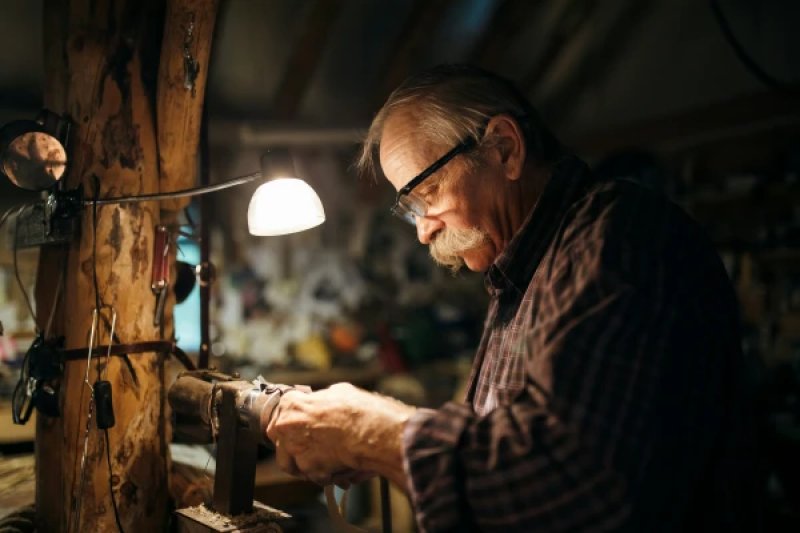
This opinion was expressed in an interview with Latvian Radio by social anthropologist, researcher at the University of Stradina Riga and the University of Latvia Anna Zabicka. According to the researcher, thoughts about demographic changes in Latvia began too late, and there is still a lack of understanding of how the country will live with the existing human resources. Zabicka noted that for many years politicians have cited increasing birth rates and re-emigration as the main solutions to demographic problems. However, in her opinion, such measures alone are insufficient to cope with the consequences of an aging society and a declining population. The researcher believes it is necessary to rethink who should be considered an economically active person. As an example, she mentioned grandparents who help take care of their grandchildren while parents work, thus contributing to the economy, even though such activities are traditionally not seen as economic activity. Another important direction that Zabicka considers is the development of a continuous education system. According to her, Latvia needs flexible training programs aimed at people over 50 and 60 years old who would like to change professions but cannot afford to leave work for full-time education. She pointed out that today many educational programs are primarily focused on young people after finishing school, while a rapidly aging society requires different formats that allow acquiring a new profession in adulthood. This, in the researcher’s opinion, will allow for more effective use of the existing human resources.