

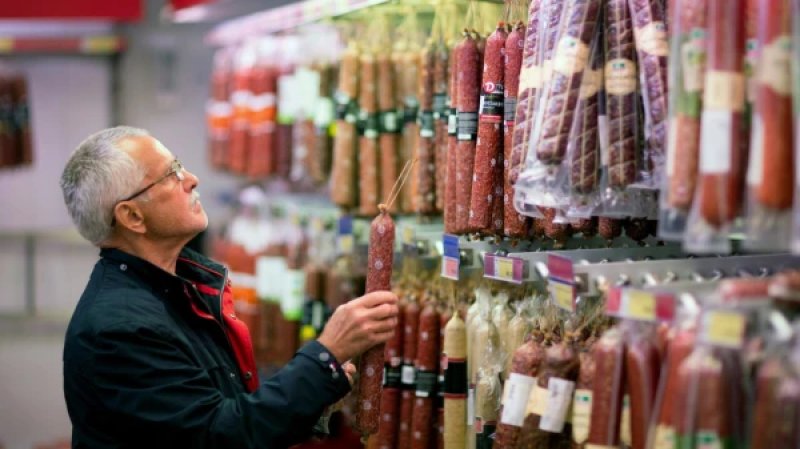
Colorectal cancer is currently among the most common oncological diseases. While it was previously more frequently diagnosed in older individuals, the disease is now increasingly being identified in patients under 50, and sometimes even in those in their twenties. Specialists note that heredity plays a role in only about one in ten cases, while a significant portion of risk factors is related to lifestyle. Molecular geneticist and systems biologist Dmitry Chebanov, who studies the genomes of cancer tumors, shared which products he never puts on his plate. **The first item on this list is processed meat — sausages, cold cuts, bacon, ham, and smoked meats.** > “Everything that has been subjected to smoking, salting, or chemical preservation is classified in the first group of carcinogens, alongside tobacco. Every 50 grams of processed meat consumed daily increases the risk of colorectal cancer by about 18%, and this is not just one study — it’s a meta-analysis of hundreds,” the scientist says. **The second product that the specialist advises to avoid is alcohol.** According to him, regardless of the type of beverage, ethanol in the body is converted into acetaldehyde — a compound that can damage cell DNA. > “This doesn’t mean that a glass of wine will kill you immediately. Risks in medicine are always probabilistic. But the idea that alcohol is beneficial for health is a myth,” emphasizes Chebanov. The expert also does not recommend overindulging in heavily fried foods — French fries, chips, and other starchy foods cooked at temperatures above 120 degrees. Such processing produces acrylamide — a substance associated with mutagenic effects on cells. Another habit that the scientist considers undesirable is **eating sweets on an empty stomach**. He states that sharp spikes in blood sugar levels are accompanied by insulin release, so desserts are better consumed after a main meal rich in protein and fiber. > “Every time your sugar spikes, you are opening a buffet for cancer cells,” warns the specialist. According to Chebanov, not only nutrition plays an important role. He identifies chronic inflammation as the main nutrient medium for tumor development. > “A tumor arises where inflammation smolders for years,” notes the expert. To reduce the risk of developing oncological diseases, the scientist recommends sleeping at least seven hours a day, moving more daily, engaging in regular physical activity, and minimizing exposure to toxins whenever possible. Among simple measures, he mentions refraining from reheating food in plastic containers, regularly ventilating rooms, and reducing the use of household chemicals and artificial fragrances. The expert emphasizes that no single product causes cancer by itself. However, it is the combination of daily habits — diet, physical activity, adequate sleep, and absence of harmful factors — that significantly helps reduce the likelihood of developing many oncological diseases.