

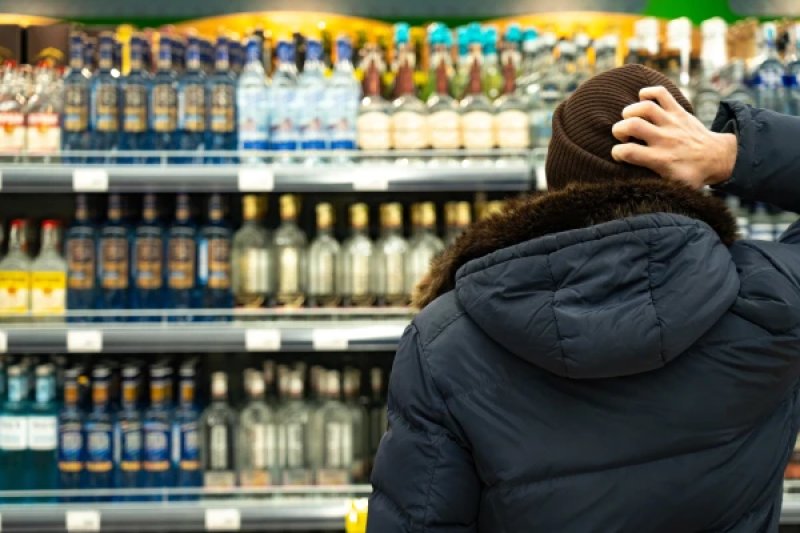
The Ministry of Economics intends to raise the issue of changing the rules for the sale of alcohol, which came into effect in August last year. One possible proposal may be to extend the permitted hours for selling alcoholic beverages. This is reported by [TV3 News](https://tv3.lv/zinas/latvija/zupiba-apkarota-rosina-atkal-parskatit-alkohola-tirdzniecibas-laika-ierobezojumus/). Currently, in Latvia, alcohol can be purchased from Monday to Saturday from 10:00 to 20:00, and on Sundays from 10:00 to 18:00. Even before the new rules came into effect, small shops warned that the reduction in alcohol sales hours could negatively impact their operations, especially in small towns. Almost a year later, industry representatives say that the impact of the restrictions is indeed felt, although not all changes are directly related to the new regulation. According to Janis Dubults, the executive director of the Latvian Association of Food Traders, the situation in regional stores has proven to be significantly more complicated than in large retail chains. "According to our members, turnover has decreased by 25–30%. Some entrepreneurs are already considering the possibility of closing their stores," he noted. Representatives of the LaTS network also speak of a decline in customer flow. As the commercial director of the network, Vitaliy Roshchin, explained, after 20:00, stores lose not only alcohol customers. "People buy not only alcohol in the evening but also bread, milk, sweets for children, and other goods. After eight in the evening, the flow of customers noticeably decreases," he explained. Since August last year, the network has closed 13 stores, and about 80% of retail outlets have reduced their operating hours. Economics Minister Viktor Valainis stated that he intends to propose changes to the legislation again. According to him, the current restrictions have particularly affected rural areas, where the reduction in store hours also impacts the availability of other goods. "We see the consequences of these decisions and will continue to raise this issue," the minister stated. At the same time, the Ministry of Health holds an opposing position. Health Minister Hosam Abu Meri believes that it is premature to discuss easing restrictions, as an official analysis of the effectiveness of the new rules is only expected in the fall. According to him, preliminary data indicates that residents have indeed started to buy less alcohol. Moreover, the minister does not rule out that in the future, restrictions may even be tightened. As one possible step, he mentioned a complete ban on the sale of alcohol at gas stations. "The OECD and WHO believe that the measures we have taken are correct but insufficient. For example, the sale of alcohol at gas stations should also be banned," Abu Meri noted. The final decision on possible changes will be made by the Saeima after the parliament resumes its work in the fall. It will be then that it becomes clear whether the current restrictions will remain unchanged, be eased, or, on the contrary, become even stricter.