

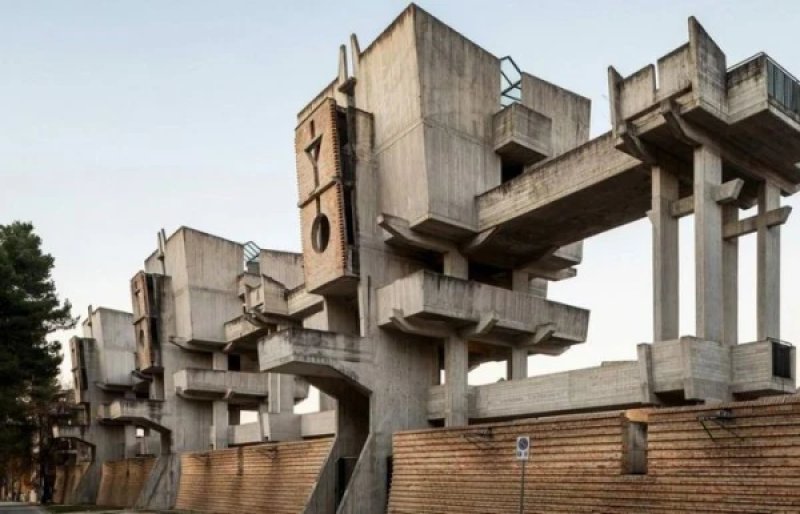
The popularity of brutalism is largely explained by its unusual aesthetics. Monumental concrete structures, strict geometric forms, and the expressive play of light and shadow create a striking backdrop for photographs. Bloggers and photographers actively use such locations for shoots, and themed routes featuring iconic sites—from residential neighborhoods in London to administrative buildings in Brasília and memorials in the Balkans—gather millions of views. However, experts urge not to forget the historical significance of this architectural movement. Brutalism emerged in the mid-20th century as a response to the need for urban reconstruction after World War II. Its creators aimed to build affordable and functional housing, embodying ideas of social justice; however, today this context often remains in the shadows, giving way to the striking visual component. Despite the controversies, the growing interest in brutalist architecture brings real benefits. Unusual buildings attract tourists to cities and regions that previously rarely appeared in popular guidebooks. This helps draw attention to the preservation of architectural heritage and provides a chance for the restoration of many sites that have long been under threat of demolition. Thus, a once-controversial architectural style is gradually transforming into one of the most unusual tourist trends of recent years.