

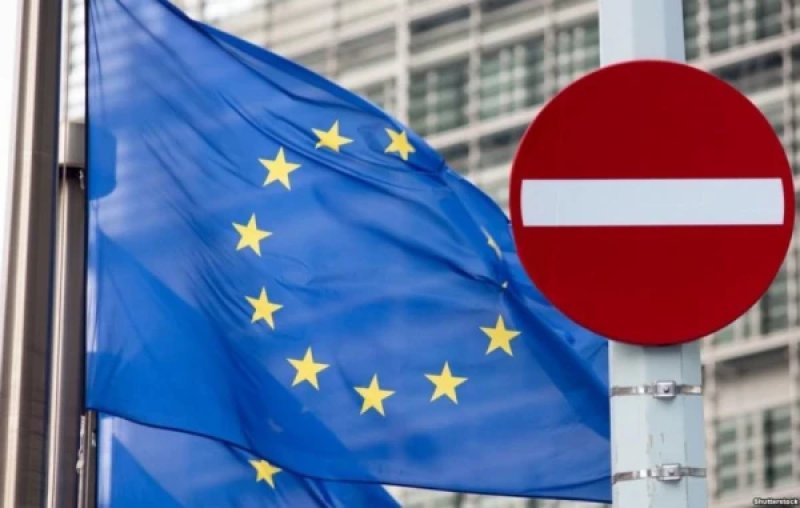
According to the publication, an increasing number of EU countries are demanding exemptions from the new restrictions or are outright blocking certain measures, fearing damage to their own companies. As FT notes, citing diplomats, Greece, France, Italy, Germany, Austria, and Portugal sought exemptions during discussions on the latest sanctions package. According to one of the publication's sources, "the moral imperative at the negotiating table is becoming less and less effective... Capitals of all countries agree with the tough rhetoric and speak of solidarity, but then it all melts away." Another diplomat stated that "this is a serious crisis for the entire approach to sanctions. If everyone demands exceptions and loopholes, then by the end of the process, each sanctions package will simply be an empty box." According to FT sources, the mood in the EU is influenced by rising economic costs, a weakening resolve to support Ukraine, and expectations of a possible peace agreement. Jacob Kirkegaard, a senior fellow at the Bruegel think tank, believes that the European Union is already "close to the peak of sanctions" against Russia, as governments increasingly prioritize the protection of their key economic interests over the imposition of new restrictions.