

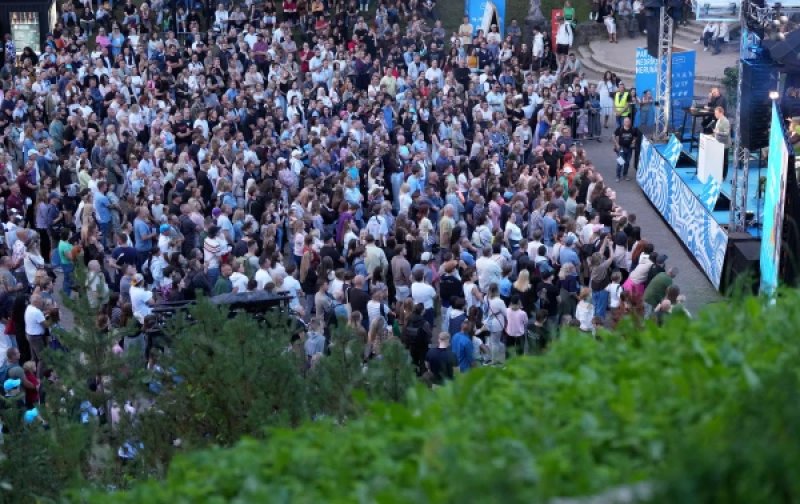
According to Zita Lazdane, head of the public relations and marketing department of the Liepaja City Council, interest in hosting events in the city remains very high. Both local companies and organizers from all over Latvia are eager to arrange events in Liepaja, public media reports. However, not every event has the same impact on the economy; the largest ones can bring multimillion-euro revenues to the region. For instance, the World Rally Championship stage held in Liepaja generated an economic effect of approximately 24 million euros. In 2027, Liepaja will become the European Capital of Culture, and the city expects to achieve an even more significant effect. According to estimates by the municipality, every euro invested in the cultural program should yield at least three to five euros for the economy through the development of tourism, the hotel industry, services, and entrepreneurship. A similar picture is observed in Cesis. Here, events are organized by both the municipality and private companies, and the cultural program continues almost year-round. In summer, outdoor festivals and concerts prevail, while in winter, the main activities are concentrated around the concert hall and other cultural venues. As Zane Neimane, head of the culture department of the Cesis municipality, explained, there is no constant monitoring of the economic effect; however, such assessments are taken into account when planning the budget. A study conducted last year as part of the "Cesis 2025" program showed that investments in cultural events fully pay off. According to its findings, every euro invested returns at least double due to additional tourist spending on accommodation, food, and other services. At the same time, the popularity of events has its downsides. During major festivals and competitions, hotel vacancies are often scarce, and high demand leads to increased pressure on the service sector and rising prices. Experts note that large cultural and sporting events are becoming not only a way for Latvian cities to attract tourists but also an important tool for developing the local economy.
