

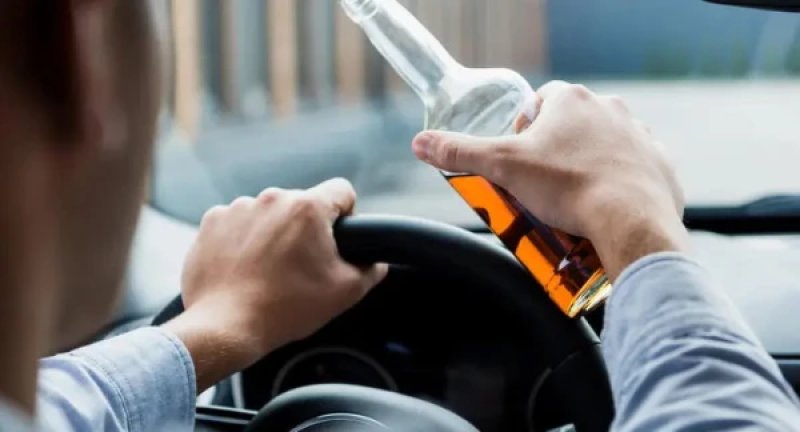
Interior Minister Janis Dombrava stated that despite the introduction of criminal liability for severe alcohol intoxication while driving, the problem remains acute. In his opinion, one of the reasons is the lenient judicial decisions that allow offenders to get back behind the wheel after a while, writes LETA. The minister believes that police raids alone cannot solve the problem, as it is largely related to people's attitudes towards alcohol and their personal responsibility. According to Dombrava, a person who drives under the influence of strong alcohol or drugs poses a serious threat to others. Therefore, he considers it possible in the future to require such offenders to undergo psychological therapy or similar programs. Another initiative concerns passengers. The minister suggested that in the future, it might be worth considering introducing liability for individuals who consciously agree to ride with an intoxicated driver. "There is indeed a direct responsibility for everyone in that vehicle," Dombrava stated, noting that he finds it hard to understand the motives of people who voluntarily take such risks. Justice Minister Edward Smiltenes also believes that combating drunk driving requires new approaches. In his opinion, it is necessary to assess the effectiveness of existing preventive campaigns and understand whether they truly change people's behavior. He noted that in the age of social media, ordinary informational messages are no longer sufficient. To influence people, it is essential to evoke an emotional response and a sense of personal responsibility. Speaking about passenger responsibility, Smiltenes mentioned that he expects conclusions from the Ministry of the Interior and the State Police, after which possible legislative changes can be discussed. The minister emphasized that passengers are often capable of preventing a tragedy by convincing an intoxicated person to refrain from the trip or not allowing them to drive. It is worth noting that since November 2022, Latvia has had criminal liability for driving a vehicle with a blood alcohol concentration exceeding 1.5 per mille. The law also provides for the confiscation of the vehicle or the recovery of its value from the offender if the vehicle does not belong to them. Such a crime may result in imprisonment for up to one year, probation supervision, and a ban on driving for five years.