

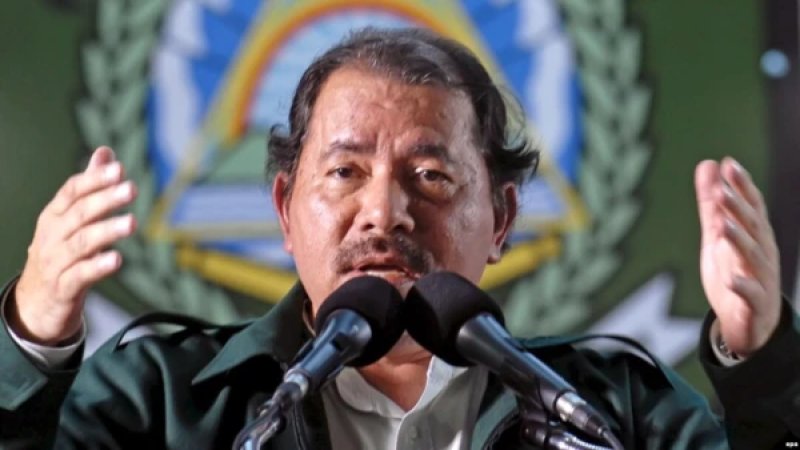
Nicaragua's President Daniel Ortega announced that elections in the country will no longer be held. He made this statement during a speech marking the anniversary of the Sandinista Revolution of 1979, [reports](https://nos.nl/artikel/2623818-van-democratie-naar-dictatuur-president-schaft-verkiezingen-in-nicaragua-af) NOS. “Those times when American-backed parties could come to power are over. There will be no more elections here that would give them the opportunity to seize power,” said the 80-year-old politician. Ortega has been in power in Nicaragua since 2007, having previously held the presidency in the 1980s. All subsequent elections have been accompanied by the persecution of the opposition. Before the 2021 elections, most potential rivals of the head of state were arrested or deprived of the right to participate in the voting. After that, Ortega received more than 75% of the votes. In recent years, the authorities have consistently strengthened control over state institutions. In 2025, the president's wife, Rosario Murillo, who held the position of vice president, became the co-ruler of the country after amendments were made to the Constitution. At the same time, the presidential term was extended from five to six years, and the next elections were postponed from 2026 to 2027. During his speech, Ortega also announced plans to adopt new laws that would effectively block the activities of the remaining opposition parties. Previously, dozens of non-governmental organizations, human rights groups, and religious institutions had already been closed or forced to cease operations in the country. Separately, the president sharply criticized the United States, expressing support for the authorities of Venezuela and Cuba. At the same time, analysts note that despite the harsh rhetoric, the likelihood of direct U.S. intervention in the situation in Nicaragua remains low. Experts consider Daniel Ortega's statement an official rejection of holding competitive elections. In their opinion, power in the country is increasingly concentrated in the hands of the Ortega-Murillo family, and the prospects for democratic change within Nicaragua are becoming increasingly illusory.