

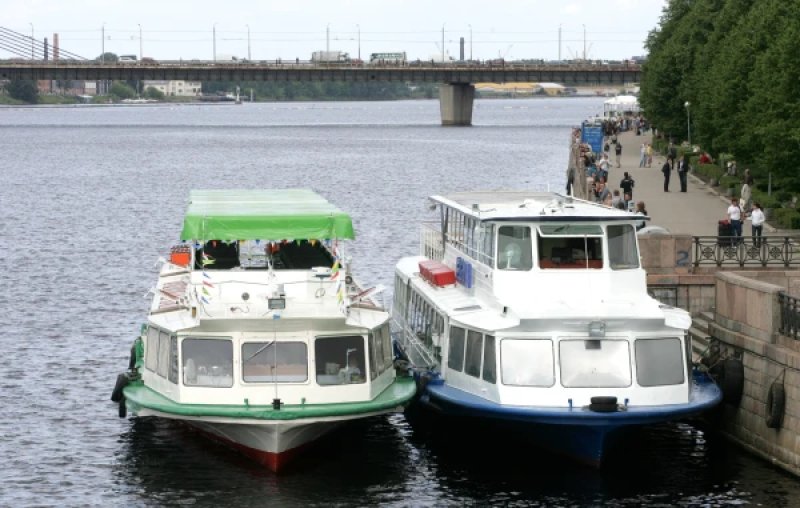
Preparations for the repair of the Cable-Stayed Bridge are entering a new phase, and Riga continues to seek ways to mitigate the transportation issues that will arise after traffic restrictions are implemented. One option could be regular passenger transport on the Daugava River, reports the program "900 seconds" ([TV3](https://tv3.lv/zinas/latvija/sabiedriba/sesas-minutes-pari-daugavai-kugisu-saimnieki-gatavi-palidzet-vansu-tilta-slegsanas-laika/)). This initiative was proposed by the Association of Passenger Ships of Riga. Its representatives stated that they are ready to organize regular services between the two banks of the river if the city makes the corresponding decision. According to association representative Janis Uvarovs, the fastest option would be a route from the pier in the Agenskalns Bay to the pier near the Cable-Stayed Bridge. "This route will take about six minutes. If passenger traffic increases, we can add another vessel," Uvarovs said. The repair of the Cable-Stayed Bridge is set to begin early next year and will last at least two years. The project is estimated to cost around 70 million euros. At the same time, the possibility of completely closing the bridge to private transport is being discussed, which could significantly increase the load on other crossings over the Daugava. According to local government data, around 4000 vehicles pass over the Cable-Stayed Bridge in each direction during peak hours. That is why the city is considering several options for organizing traffic during the repair. Uvarovs believes that temporary transport could serve as a starting point for developing regular river transport in the capital. "We could organize a route from Agenskalns Bay to the waterfront, while simultaneously developing the connection between Bolderāja and Vecmīlgrāvis. Then river traffic would really come to life," he noted. The Riga municipality confirmed that passenger transport on the Daugava is among the solutions being considered. A final decision is expected to be made in the fall. At the same time, industry representatives urge the city not to postpone it until the last moment. Preparing vessels, schedules, and infrastructure in advance will be necessary to launch new routes. "We also need to plan our activities. If they intend to implement such a system, they should inform us in advance, not a month or a day before the launch," Uvarovs emphasized. In addition to river transport, the city is considering creating parking lots near the approaches to the Cable-Stayed Bridge so that drivers can transfer to public transport for further travel across the river. If the project is approved, river transport could become an important part of Riga's everyday transportation system for the first time in many years, rather than just a tourist attraction.