

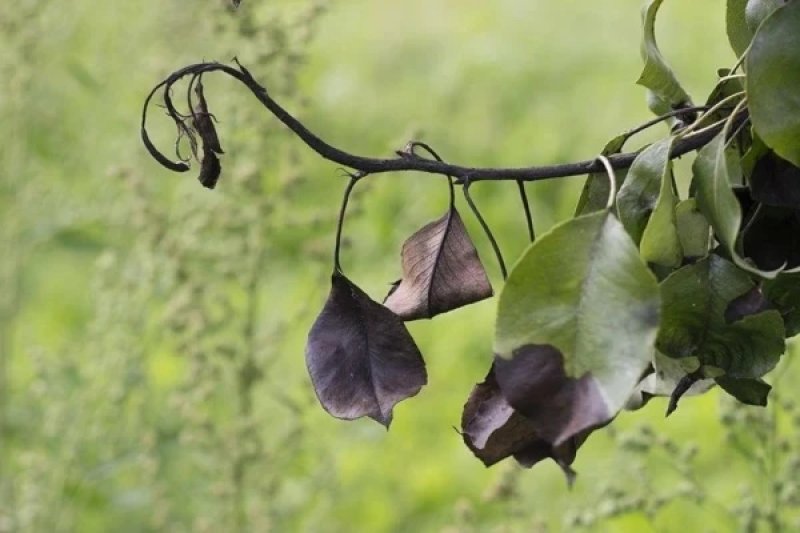
According to the State Plant Protection Service (SPPS), the disease was confirmed in one of 134 samples tested since the beginning of the season. By July 15, specialists had conducted about 435 inspections across the country. Inspections took place in private gardens, plant nurseries, parks, green spaces, and areas where the disease had previously been detected. Additionally, this year residents have been more active in reporting suspicious signs on plants — ten additional inspections were conducted based on such reports. So far, only one case of the disease has been confirmed. A similar situation was observed by mid-July last year. At that time, five outbreaks were registered in the country by the end of the season — the lowest figure since 2017. However, specialists warn that it is too early to relax. Warm and humid weather creates favorable conditions for the spread of the infection, so new outbreaks may emerge by the end of August. Bacterial burn affects many fruit and ornamental plants. The at-risk group includes apple trees, pears, quinces, hawthorns, rowans, serviceberries, cotoneasters, and some other species. The disease can spread rapidly and poses a serious threat to gardens and nurseries. At the beginning of the season, Latvia had 37 active outbreaks of bacterial burn — areas where the disease had been detected in the previous two years. A three-kilometer buffer zone has been established around each such location, where inspections are regularly conducted. Upon detecting characteristic signs of the disease, SPPS inspectors collect samples for laboratory analysis. Garden owners are urged to allow specialists to inspect their plots and report any suspicious symptoms. Those who comply with prescribed phytosanitary measures are eligible for state compensation. Monitoring of bacterial burn in Latvia continues, and new inspection results will be released throughout the season.