

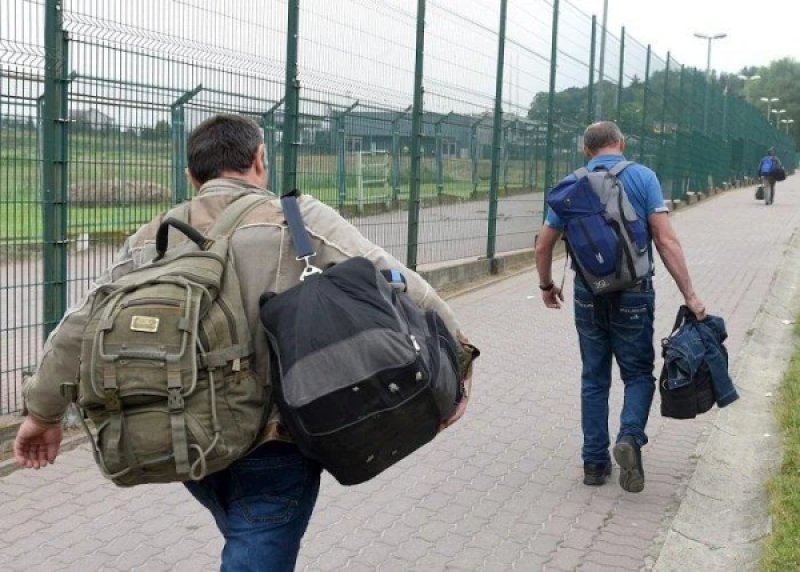
In a month, the Cabinet of Ministers may make a decision on the final report of the parliamentary investigative commission on immigration policy. One of the proposals included in the report is to determine the number or introduce quotas for the entry of citizens from third countries into Latvia, said the head of the commission, current Minister of the Interior Janis Dombrava (National Alliance): "We see that currently the immigration policy has developed with a complete disregard for the capabilities of our institutions, including security institutions, to control immigration issues, which can have very sad consequences." Dombrava believes that Latvia could introduce a similar quota system as in other countries, for example, by determining a specific share of citizens from third countries. At the same time, the minister allowed for the possibility of establishing restrictions based on the country of origin, that is, to determine how many citizens from specific countries would be allowed into Latvia. However, in his opinion, such criteria should not be developed by politicians. "Then there will always be grounds to say that the policy does not like a particular country, so I think it would be more appropriate for the competent authorities, which conduct an in-depth assessment of these terrorist threats, to also propose their vision regarding the total number of foreigners - how many can be effectively monitored. And, of course, the question of which countries this will actually apply to," the minister said. Currently, the labor shortage is one of the most important issues, said the head of the Latvian Confederation of Employers Kaspars Gorkshs. In his opinion, immigration policy should take into account not only political slogans but also the availability of labor: "If we start from the fact that the quota applies to certain nationalities and there are other restrictions, then we must understand that the economic structure of Latvia is what it is, and decision-makers must justify to employers how to ensure the survival of businesses. Because if there are no workers, then we expect from the responsible institutions how they can be provided in sufficient quantity and of appropriate quality."
