

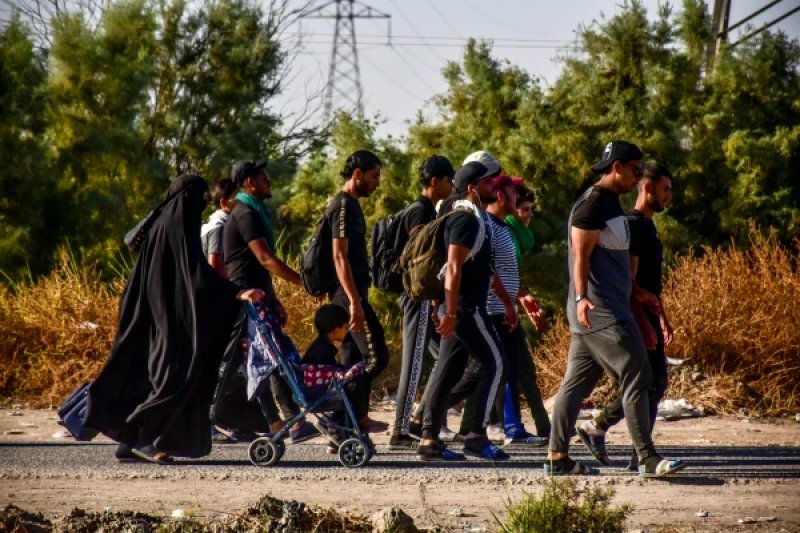
In recent months, discussions about racism, xenophobia, and attitudes towards migrants have intensified in Latvia. The reasons include both publications on social media and political disputes; however, researchers urge against drawing conclusions about the sentiments of the entire society based on the most high-profile cases, public media reports. One of the latest episodes was a conflict between representatives of the "Progressives" party and the National Alliance. Deputy Liana Langa disseminated an artificially generated video showing white people beating Black individuals. The video was later removed, and the website hosting it blocked it. After this, deputies from the "Progressives" party reported that they had contacted the police, seeing possible signs of incitement to national, ethnic, or racial hatred. Langa herself stated that the publication was part of a performance. Another topic of discussion was a video from a city festival in Sabile. Although it was not created using AI, public discourse revolved around how acceptable it is to portray certain groups of people based on stereotypes. According to leading researcher at the Institute of Philosophy and Sociology of the University of Latvia, Mārtiņš Kaprāns, studies show that there is indeed a cautious attitude towards migration in society. However, this does not mean that racism and xenophobia have become prevailing views. The researcher estimates that about 20–30% of residents are most susceptible to such rhetoric. At the same time, migration issues concern a significantly broader audience, who do not themselves hold xenophobic views. This audience, in his opinion, may be the target of emotional and manipulative statements. It is important to consider this, as the discussion of migration and manifestations of hate are not the same. Concern about migration policy does not automatically imply hostility towards people of different nationalities, cultures, or religions. Kaprāns also does not link the current escalation of rhetoric solely to the election period. In his view, the task of politicians is more about mobilizing an already existing audience than forming new sentiments. Another reason for the feeling that hate is increasing, researchers point to social media algorithms. They more frequently show users posts that evoke strong emotions, which is why aggressive and provocative content receives wider dissemination and visibility. Associate Professor at the Stradiņš University in Riga, social anthropologist Klavs Sedlenieks, in turn, reminds us that activity on social media cannot be considered an accurate reflection of public opinion. According to him, the most noticeable posts are created by a relatively small number of users, while the views of the majority remain less visible in the public space.