

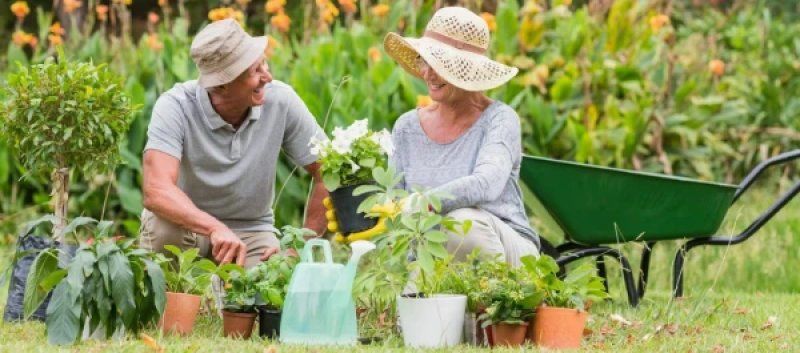
Many have noticed that after spending a few hours in the garden or vegetable patch, their mood improves and anxiety recedes. According to scientists, there is a scientific explanation for this. ### The Bacteria That Helps Combat Stress In the soil lives a harmless bacterium *Mycobacterium vaccae*. It got its name because it was first discovered in cow dung. Researchers believe that when working with the soil, a person inhales microscopic soil particles containing these bacteria. They can affect the immune system and brain function, producing an effect similar to that of a natural antidepressant. ### What Research Has Shown Interest in *Mycobacterium vaccae* arose after researchers from the University of Bristol and University College London noticed an unexpected improvement in the well-being of cancer patients undergoing treatment involving this bacterium. Later experiments on animals showed that *Mycobacterium vaccae* activates neurons that produce serotonin — one of the key neurotransmitters responsible for good mood. Mice exhibited reduced anxiety and increased resilience to stress. Since a deficiency of serotonin is linked to the development of depression, scientists suggest that the influence of this soil bacterium may partially explain the positive impact of gardening on a person's emotional state. Of course, walks and work in the country do not replace treatment for mental disorders. However, specialists note that the combination of physical activity, being outdoors, contact with nature, and soil microorganisms can be a good way to reduce stress levels and improve mood. So, a trip to the country is not only an opportunity to escape the hustle and bustle of the city but also a chance to support emotional well-being, a topic increasingly discussed in modern scientific research.
