

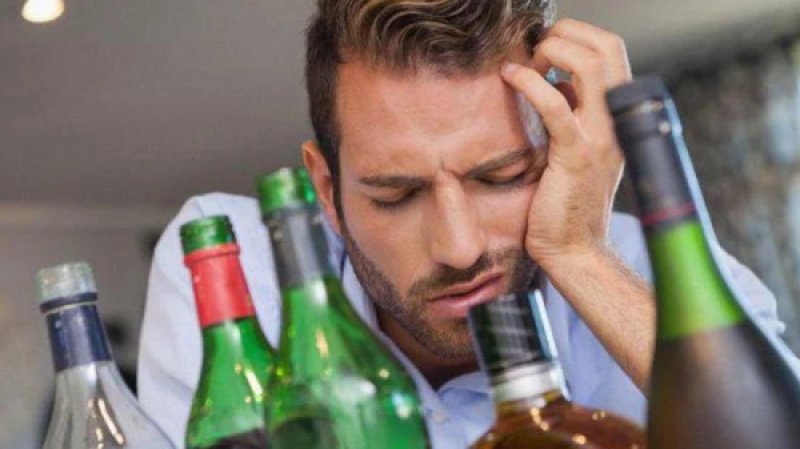
The problem is that intuition and drunken experience do not go well together. Our mind is already clouded by a million cognitive biases, and thinking soberly and rationally about alcohol is doubly difficult. A typical story from life: "The worst hangover is from gin. I once got so drunk that since then I've only been drinking vodka." This phrase contains two logical errors. First, a person makes a general conclusion based on their purely personal experience. Second, even their personal statistics are fundamentally incorrect, because to compare gin with vodka, the person must have consumed gin and vodka equally often and in equal amounts for a long time. And since they haven't consumed gin for a long time, their data is unsuitable for comparison. If our hero had continued to drink gin (quality gin) regularly, sooner or later they would have learned to maintain the dosage, choose the right snacks, and drink chasers, and eventually would be able to consume gin safely on autopilot, intuitively. This is usually how it works if a person is not a binge drinker. What is the point of this preface? It is to emphasize that when evaluating the least hangover-inducing drink, one must consider both the exact alcohol dosage and the culture of consumption. Suppose you easily down a liter of wine (about 15 degrees alcohol) in an evening alone. This can be compared either to three liters of beer (about 5 degrees) or to 0.375 liters of vodka (40 degrees). And again, consuming a liter of wine without snacks is not a problem, but with vodka, that trick doesn’t work. This means that the culture and method of consumption are different, which radically affects both objective and subjective conclusions. Nevertheless, there are general observations and rules. Almost all experts agree that the clearer and lighter the alcoholic drink, the fewer unpleasant substances it contains for the morning after. The darker its color, the sweeter and more carbonated the drink, the heavier the consequences are likely to be. Therefore, sweet liqueurs, tinctures, and sparkling wines are potentially the most threatening alcoholic products for hangovers. Surprisingly, vodka becomes the leader in the low-hangover ranking! It is clear, not aged in barrels with impurities, and contains no aromatic or color additives. If you think that 375 grams of vodka is easier to recall in the morning than a liter of wine, you are not mistaken. Wine can contain half of the periodic table, so the effect can be unpredictably variable. Vodka, on the other hand, is pure alcohol, nothing extra. Light beer also falls into the category of low-hangover drinks and is only slightly inferior to vodka in this regard. At the same time, drinking any alcoholic beverages is, of course, harmful...