

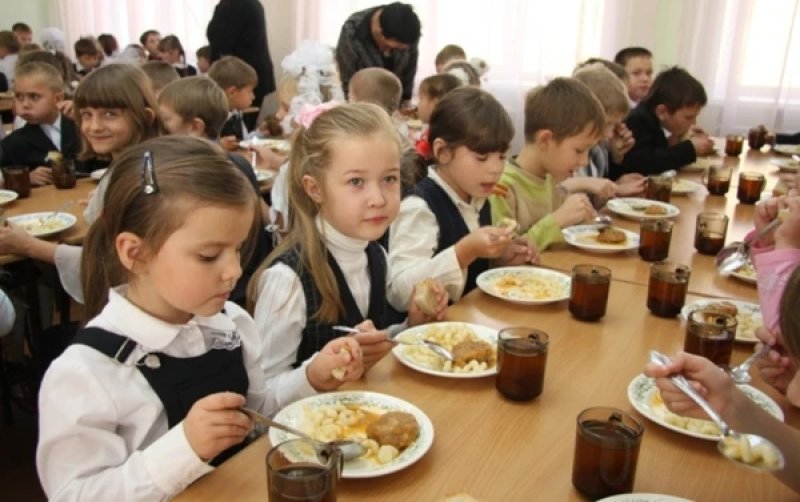
In Latvia, there is an uncertain situation regarding the procurement of food for schools, kindergartens, and other state institutions. Following changes in legislation, the previous rules for 'green' public procurement have lost their validity, and mandatory sustainable development requirements have not yet been introduced. Producers fear that this will pave the way for cheaper imports, reports [Latvian Radio](https://www.lsm.lv/raksts/zinas/ekonomika/10.08.2026-ko-edis-skoleni-jaunaja-macibu-gada-razotajus-uztrauc-vakuums-zala-iepirkuma-prasibas-un-importa-draudi.a658035/). Until recently, public procurement favored local and organic products. For example, at least 50% of the purchased milk and kefir had to be organic, and the share of organic grain products was at least 20%. As of June 9, these requirements are no longer in effect. "It can now be said that a vacuum has arisen. Previously, the state required the procurement of organic products and quality local produce, but now there are no such requirements," said the agricultural policy expert of the Latvian Organic Farming Association, Raivis Bakhsteins. According to him, this means a loss of predictability for producers. "For producers, this means chaos and uncertainty regarding future supply volumes," he noted, emphasizing that the confidence in stable procurement, which many farms relied on, has disappeared. The problem is particularly acute for enterprises that plan their production volumes in advance. The head of the cooperative "Vidzemes BIO āboli un ogas," Ievas Spriža, stated that the farm needs to understand in advance how much product will be required by schools. "I am being asked what volumes we will be able to sell. And I cannot confidently say right now that we will produce, for example, ten tons of juice and sell it through public procurement," she said. In her opinion, if suppliers from other countries win the tenders, the development of short supply chains within Latvia will be in question. The owner of the farm "Gaidas," Dace Drošprate, also points to the difficulties. She reminded that the previous criteria of individual municipalities did not always take into account the real situation. "There are almost no apple orchards within a 50-kilometer radius. Then we joked: allocate us a plot somewhere in the center of Riga, and I will plant an orchard there," the farmer recounted. According to Bakhsteins, the consequences of the changes may become noticeable as early as the new academic year. "I hope that the responsible institutions will correct this glaring mistake. This should not have happened at all," the expert emphasized. The Ministry of Agriculture acknowledges that there has been a transitional period following the changes in the Public Procurement Law. Currently, sustainable development requirements exist but are applied voluntarily. Amendments to legislation have been prepared to make them mandatory. Additionally, a Competence Center has already begun operations at the Latvian Agricultural Advisory and Education Center. More than 300,000 euros have been allocated for its establishment this year. It is expected to assist customers and suppliers in applying the new procurement rules, although its powers still need to be enshrined in regulations. Meanwhile, producers warn that if mandatory requirements are not introduced in time, the share of imported products in school cafeterias may increase, making it harder for local farms to plan their production. That is why the issue of public procurement is becoming important not only for farmers but also for parents who are concerned about what products their children will receive in schools starting from the new academic year.