

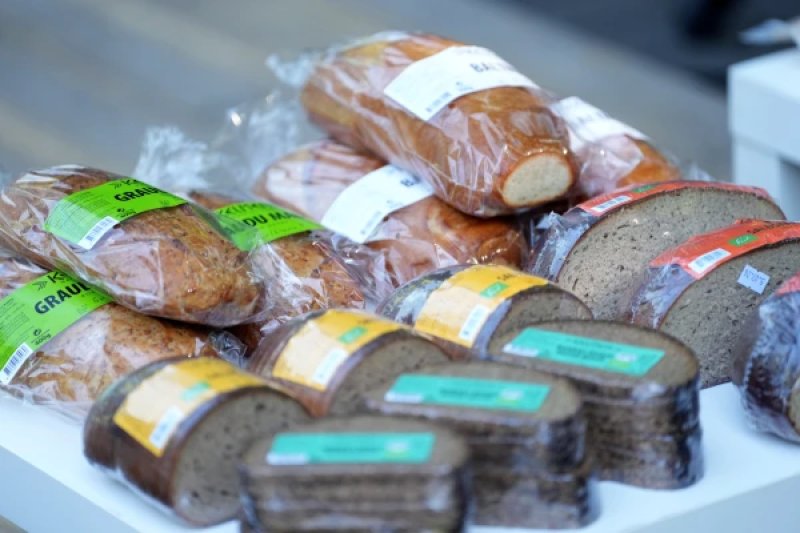
As is known, starting from July 1, Latvia has been implementing what the authors themselves have dubbed a tax experiment — the VAT rate on bread, milk, chicken eggs, and chicken meat has been reduced from 21% to 12% for a period of one year. In the run-up to the elections, one of the ruling political forces proposed to lower the VAT on other basic products as well. "It seems like great news! The consumer rubs their hands in anticipation of cheaper milk and bread, while politicians report their care for the people. But, as is often the case with tax reforms, the devil is in the details," explains accountant and economist Dmitry Zaitsev. This medal has two completely different sides: for a regular trip to the supermarket, it is an undeniable plus, but for the Latvian food service industry, it is yet another hidden blow "below the belt." Let’s figure out why this happened. Store Idyllic: A Real Plus for the Wallet For the end consumer in the store, the math is simple and pleasant. You come to the shelf, see a basic product, and if the retail chains do not decide to "compensate" the difference with their margin, the price drops. The store here acts merely as a transit point: purchased from a farmer/supplier, added a markup, sold to you. The reduction in VAT lowers the final cost of the basket. Everyone wins: people spend less, and the turnover of stores increases due to volumes. Beautiful? Yes, but only until we peek into the windows of the neighboring café. Restaurant Deadlock: How the Difference in Rates "Eats" Working Capital Now let’s move to the kitchen of any Latvian restaurant or café. For the food service industry, products are raw materials. And here begins the economic magic with a negative sign that hits the working capital of the business. In Latvia, the VAT rate for restaurant services (self-service and ready-made dishes) remains standard — 21%. And here’s what happens to the accounting of the establishment when the VAT on raw products drops to 12%: • Previously (21% on input / 21% on output): The restaurant purchased conditional meat and vegetables with a VAT of 21%. This "input" VAT was credited. When a customer bought a ready-made dish, the restaurant paid the state VAT of 21% on sales but deducted the same 21% that it had already paid for the products. The balance was even. • Now (12% on input / 21% on output): The restaurant buys products with a reduced VAT of 12%. Accordingly, the "input" VAT that can be refunded or credited becomes less. But selling a ready-made dish to a guest, the restaurant is still obliged to charge VAT at 21%. What’s the catch? The difference between 21% (which must be paid to the state from sales) and 12% (which can be credited from the purchase of products) sharply increases. This means that the "live" money in the form of tax that the food service industry now has to transfer to the budget is greater and faster. Instead of this money circulating in the business — going to pay salaries, purchasing new batches, paying electricity bills — it is "washed out" from circulation in the form of increased tax liabilities. The Bottom Line: Healing with One Hand, Maiming with the Other The reduction of VAT on food products to 12% is a wonderful tool for supporting purchasing power in stores. But without a mirrored reduction of VAT on food service (at least to the same 12%, which the Latvian restaurant industry has been pleading with the government for several years), this reform turns into a hidden tax on restaurateurs. Cafés and restaurants cannot simply raise prices by another 10% to compensate for the cash gap — people will just stop going out to eat. As a result, the food service industry finds itself again in a situation where the rules of the game change, and the price has to be paid with its own working capital, which has almost run out after the crises of recent years.