

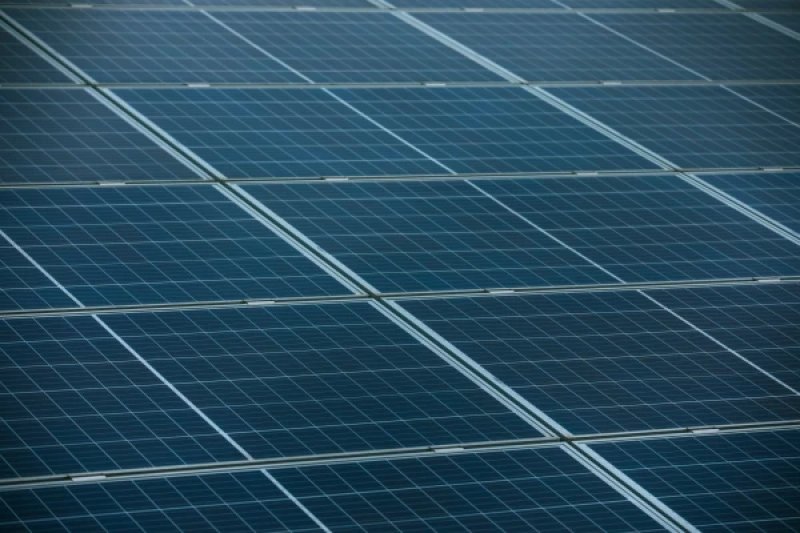
A new analysis by the energy think tank Ember has shown that in European countries, solar energy production increased by up to 17 percent on hot days in June and July. According to researchers, this helped maintain the operation of the energy system at a time when electricity demand on hot days rose by almost a quarter. Heatwaves often trigger a sharp spike in electricity consumption due to the sudden need for cooling, primarily through energy-intensive air conditioners (A/C). The International Energy Agency (IEA) estimates that cooling spaces, mainly through air conditioners and fans, accounted for about 7 percent of global electricity consumption in 2022. Even in countries where air conditioners are not yet widespread, spikes in energy consumption are recorded during extreme heat. For example, during the early summer heatwaves of 2025, evening electricity consumption peaks in France were found to be 25 percent higher than the seasonal average due to the operation of air conditioners. ## ## Solar Energy Performs Better Than Usual During Heat The Ember analysis showed that during the heatwave at the end of June this summer, daily electricity demand increased by 28 percent in Italy, 23 percent in Hungary, 14 percent in France, and 13 percent in Spain compared to the period before the heat began. According to analysts, as demand rose due to the heat, solar energy was the only major energy source that showed results "better than usual." Compared to other days in June and July, the average daily solar energy production during heatwave periods was 17 percent higher in France and Hungary, 5 percent higher in Spain, and remained the same in Italy. "Solar energy is already taking on the main load during heatwaves, but the real challenges begin after sunset," said senior energy analyst Chris Rosslow. "In the evening, when the need for cooling remains high, the energy system relies most heavily on expensive gas generation," he added. ## ## How Hot Summers in Europe Affect Energy A series of heatwaves in Europe, which scientists say would be "virtually impossible" without climate change, has led to widespread droughts across the continent. Due to low water levels in the Danube, Hungary had to reduce production at its nuclear power plants, and experts warn that hydropower output in the Alpine region has approached "historical lows." Energy production from fossil fuels has also been affected by the drought: Poland had to reduce the capacity of its coal-fired power plant due to critically low water levels in the Vistula. During the heatwaves at the end of June and early July, average daily electricity prices also surged sharply: by 119 percent in Hungary, 44 percent in France, 13 percent in Italy, and 7 percent in Spain compared to comparable days in previous weeks. Experts note that such a price spike again highlights the need for energy storage systems based on batteries, which prevent losses from excess solar electricity. "If solar energy saves the day, then energy storage can save the evening," Rosslow said. "Together, they provide one of the most obvious ways to make Europe's energy system more resilient to increasingly hot summers. When solar energy production increases during heatwaves, and other sources struggle, storage allows this cheap electricity to be shifted to the evening hours," he added.
