

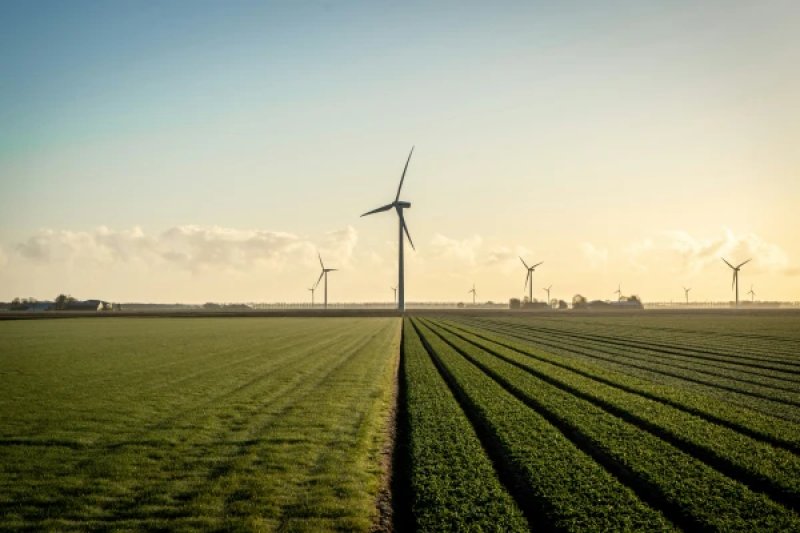
The sun and wind save from price shock "Since in July the volume of local electricity production in the Baltic countries reached 83% of consumption, with solar and wind farms providing the majority, or 73% of the produced electricity, the Baltic countries avoided a price shock," said Gatis Jungkhans, a member of the board of JSC "Augstsprieguma tīkls". Compared to the previous month, in July, the electricity price in Latvia and Lithuania decreased by 19% to 74.95 euros and 75.86 euros per megawatt-hour, respectively, while in Estonia it dropped by 32% to 43.93 euros per megawatt-hour. "The intense heat in Europe increased the demand for electricity, as air conditioners were actively used, while electricity production at hydroelectric and nuclear power plants decreased. Gas power plants also become less efficient in hot weather. In the Scandinavian countries, due to dry weather, the amount of accumulated water in the reservoirs of hydroelectric power plants fell significantly below the long-term average," Jungkhans explained. The costs of electricity production also rose due to the situation in the Middle East, which affected natural gas supplies. Natural gas in Europe in July was twice as expensive as in winter, which increased electricity production costs. "Due to the high share of electricity produced from renewable energy sources, the Baltic region periodically became an exporter of electricity during daylight hours, supplying it to Scandinavian countries and Poland, while at other times importing electricity from these regions. In Latvia and Lithuania, electricity prices averaged out to the level of prices in the southern part of Sweden. In Estonia, the price level was mainly determined by the situation in Finland, where prices were even lower and there was an opportunity to fully utilize import capabilities," Jungkhans noted. Total electricity imports from EU countries to the Baltic states in July increased by 7% compared to June, reaching 736 gigawatt-hours. This increase was mainly due to a 19.4% rise in imports from Finland to 552 gigawatt-hours. Imports from Poland decreased by 17.9% to 26 gigawatt-hours, while imports from Sweden fell by 18.6% to 158 gigawatt-hours.
