

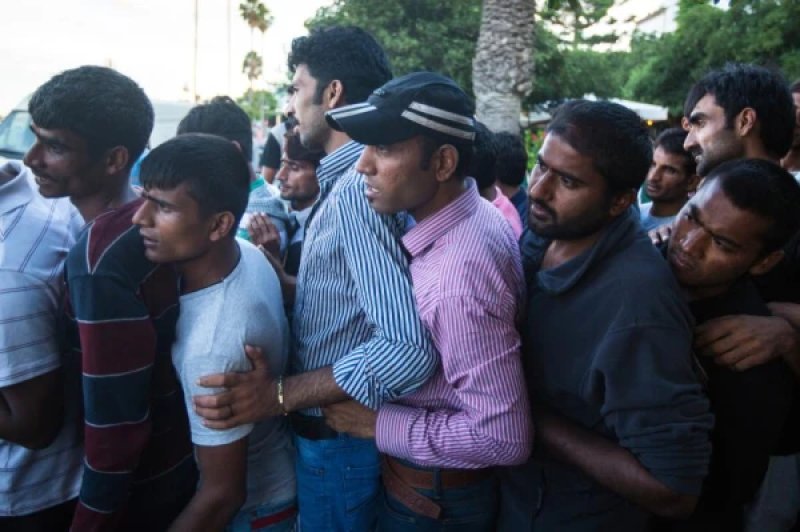
The question of how strictly Latvia should combat illegal migration at the border with Belarus has once again sparked discussion on TV24. A viewer of the program "Aktuālais par karadarbību Ukrainā" directly asked Major of the National Armed Forces and Zemessardze staff officer Jānis Slāviņš why firearms cannot be used against border violators. "If you illegally cross the border of another state, which is prohibited by law, then why can’t we shoot at them? Why?" the listener asked. She stated that harsher actions could, in her opinion, deter people trying to enter Latvia across the border. At the same time, the woman acknowledged that her position might seem harsh. Slāviņš admitted that the question is relevant. According to him, the pressure of illegal migration on the Latvian border remains, and Alexander Lukashenko's regime continues to play a role in organizing migration flows. However, the military warned against the idea of simply allowing shooting at border violators. "We are in the 21st century, we are a European Union state. No one will particularly understand if we start shooting them in the legs," Slāviņš said. In his opinion, the key issue here is legislation. There must be clear rules defining when a border guard has the right to use weapons, when their use is indeed permissible. He noted that specific changes in regulation should primarily be discussed with the Ministry of the Interior. The program host, in turn, pointed out that border violators are actually committing illegal actions and asked why harsher measures cannot be applied to them. Slāviņš did not independently determine what actions should be allowed for law enforcement. "You are asking me about something I cannot answer," he stated. At the same time, the military emphasized that he himself does not like the situation where illegal migrants attempt to cross the Latvian border and remain in the country. However, in his opinion, the solution should be based not on the personal attitude of the border guard towards the violator but on clear legal norms.
