

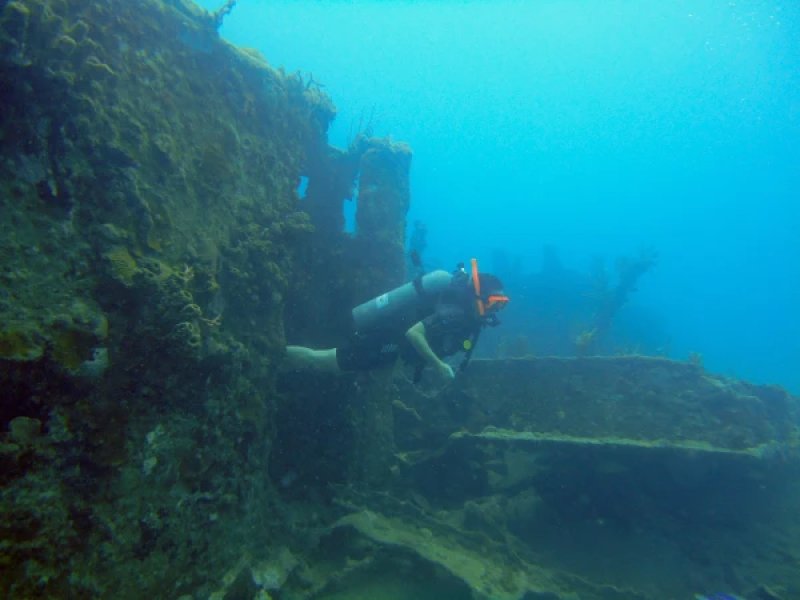
Up to 100,000 sunken vessels may lie on the bottom of the Baltic Sea, with some of them located off the coast of Latvia. Many shipwrecks remain undiscovered, and those that have been found are often preserved underwater much better than archaeological sites on land. This was stated by archaeologist and specialist at the National Heritage Administration Kaspars Markus Molls on the program "900 Seconds" ([TV3](https://tv3.lv/dzivesstils/celotprieks/baltijas-jura-varetu-slepties-100-tukstosi-senu-kugu-vraku-dala-no-tiem-ari-latvijas-piekraste/)). Recently, another sunken ship was added to the list of state-protected cultural monuments. The discovery is particularly valuable due to the ancient mortar shells that have been preserved on board. > "In the Baltic Sea region, there are very few finds with such a number of shells. Essentially, there are no others like it. Therefore, this is a very important discovery both for Latvia and on an international level," noted Molls. According to the specialist, the Baltic Sea is of particular interest to archaeologists due to its natural conditions. The cold water and low salinity allow wood, metal, and other materials to be preserved significantly better than on land. The most extensive research on the underwater heritage of the region is currently being conducted by Swedish scientists. They are already aware of approximately 17,000 sunken vessels; however, experts believe that the actual number may reach 100,000. If these estimates are correct, the Baltic Sea can be considered the richest region in the world in terms of shipwrecks. According to researchers' calculations, there should be at least 1,000 sunken vessels in the Latvian part of the Baltic Sea. However, the situation currently appears much more modest. Archaeologists have managed to identify about 200 ancient shipwrecks, and another approximately the same number is known only from historical records—comprehensive studies have not yet been conducted there. Latvia's underwater heritage is not limited to the sea. Ten sunken fortified settlements have already been discovered in inland waters, as well as several settlements and burial sites from the Iron Age. About two weeks ago, a full underwater archaeological study was conducted for the first time in the history of Latvia at Lake Indzeris using international methodology. During the expedition, specialists from the Latvian Academy of Culture found items dating back about 1,500 years, and their preservation turned out to be significantly better than similar finds on land. > "If we find small shards during excavations on land, underwater finds are much larger," said Molls. Despite the high scientific potential, the development of underwater archaeology in Latvia is progressing slowly. One of the main reasons specialists cite is the lack of archaeologists skilled in underwater research methods. Moreover, Latvia has yet to ratify the UNESCO International Convention on the Protection of Underwater Cultural Heritage, adopted 25 years ago. According to specialists, joining the convention would allow the country to apply for international funding for the study and preservation of underwater historical monuments. The issue becomes relevant again ahead of the International Day of Underwater Cultural Heritage, which is celebrated annually on August 21. While a significant portion of the historical treasures of the Baltic Sea remains hidden underwater, scientists are confident that the most interesting discoveries in the Latvian waters may still lie ahead.
