

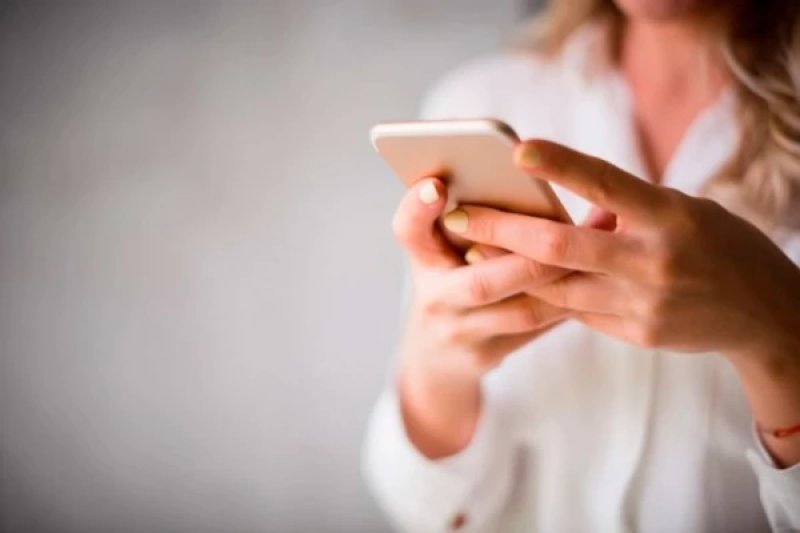
When a smartphone lies in the palm of the hand and the thumb makes numerous micro-movements — scrolling, typing, liking — the load on the tendons and ligaments increases by 3–5 times compared to a relaxed state of the hand. The muscles and nerves find themselves in an unnatural position without rest. The body does not have time to recover in between, and over time, discomfort turns into a chronic pathology. **What are the symptoms of 'smartphone thumb'?** Symptoms gradually increase, and at the start, they can easily be attributed to fatigue. Here are the signs that should not be overlooked: aching pain at the base of the thumb and on the side of the palm; numbness, tingling, or a feeling that the hand is being "stretched"; the hand tires more quickly during usual activities (writing, lifting a mug, buttoning); when bending the fingers, there is a crunch or clicking sound; grip becomes weaker, movements less precise. "What we call 'smartphone thumb' is actually a whole spectrum of specific diagnoses. Previously, they were considered age-related or professional (in musicians, seamstresses, assemblers)," said therapist Yevgeny Kosmyanin. "Today, they are 'younger' before our eyes. De Quervain's disease — inflammation of the tendons at the base of the thumb. It hurts when making a fist or moving the wrist to the side. Carpal tunnel syndrome — compression of the median nerve in the narrow carpal tunnel. It is responsible for the numbness of the thumb, index, and middle fingers. Rhizarthrosis — arthrosis of the joint at the base of the thumb, cartilage wear due to constant micro-traumatization. Nott's disease — "trigger finger," when the tendon becomes inflamed and the finger gets stuck in a bent position. Dupuytren's contracture — a rarer but serious condition: the palmar tissue thickens, fingers gradually bend and stop straightening." Most of these conditions are reversible in the early stages. Advanced cases are more difficult to treat, up to surgery. **What to do if your hand is bothering you?** The first and foremost thing is not to endure. If pain and numbness occur regularly, this is not normal. For a few days, reduce the load on the affected hand: switch the phone to the other hand, type less, give the hand a rest. In the first days of acute discomfort, you can apply cold to the painful area — it reduces swelling and inflammation. But if symptoms do not go away after 2–3 days, seeing a doctor is essential. In the early stages, the following can help: wrist immobilization with a splint (it restricts improper movements); anti-inflammatory medications (local or systemic — as prescribed); physiotherapy: ultrasound, laser, shockwave therapy. Advanced cases may require surgical intervention — for example, cutting thickened ligaments or compressed nerve sheaths. But it is better not to let it get to that. **How to prevent the development of 'smartphone thumb'?** Distribute the load — every 20–30 minutes, switch the phone from one hand to the other. Do not lean on your pinky. Many subconsciously support the smartphone from below with their pinky — this overloads the ligaments. Try to distribute the weight across all fingers. Dictate long messages — today this works accurately and conveniently. Master typing with both hands. If the text is important, do not hesitate to type with the thumbs of both hands or use your index fingers. Take breaks — every 30–40 minutes, put the phone down for 5–10 minutes. Even a short break reduces the inflammatory load. Do hand exercises — simple exercises like squeezing and releasing the fist, rotating the wrists, stretching the fingers take 2 minutes and really help. Use cases with straps or stands. Accessories that take some of the weight of the phone significantly ease the burden on your joints.
