

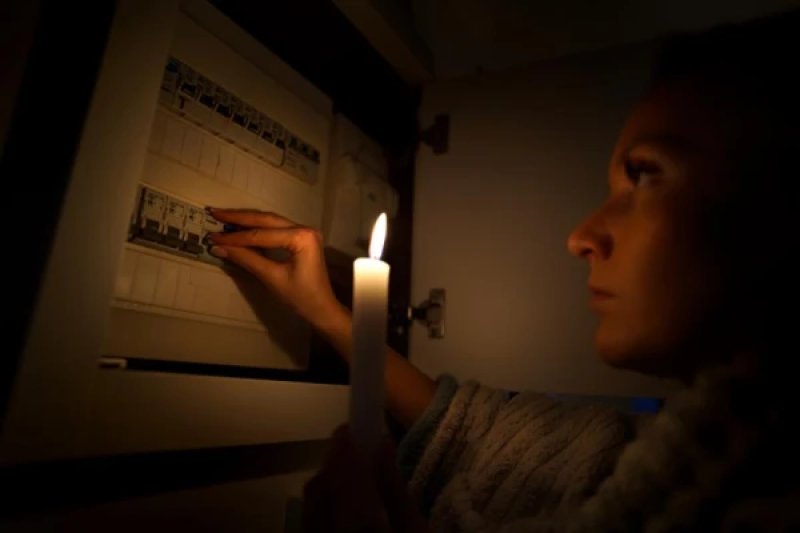
According to the minister, the preparation for bad weather was mainly focused on heavy rains and flooding, rather than on such serious damage to energy infrastructure. To facilitate the work of municipalities and give them more time to eliminate the consequences of the disaster, Tavares intends to propose, as an exception, to extend the deadline for submitting initial damage information to VARAM from three to ten working days. The scale of the destruction will become clear after local governments assess the damage and the associated costs. ## ## Energy Infrastructure Proved Vulnerable Tavares acknowledged that the state was insufficiently prepared for a crisis of this magnitude. No one expected such serious damage to the networks of Sadales tīkls and Augstsprieguma tīkls. In the minister's opinion, what happened necessitates a review of the country's readiness for emergencies. In particular, attention must be paid to the availability of generators, the resilience of strategic infrastructure, hospitals and nursing homes, the operation of mobile communication towers, as well as the organization of road and rail traffic. Previously, the main focus was on creating shelters, but the current storm has shown how vulnerable the power supply system can be. ## ## Authorities Do Not Want a Repeat of Such a Crisis Emergency preparedness issues will be discussed at a meeting of the Crisis Management Council on Monday. Tavares emphasized that a repeat of such a scenario must not be allowed. If, during a more serious crisis, rescue services were to stop working simultaneously and people lost access to necessary information, the consequences could be catastrophic. Currently, services are operating at maximum capacity. Volunteers and subcontractors are also involved in eliminating the consequences. The head of the Crisis Management Center, Colonel Arvis Zile of the National Armed Forces, rated the state's preparedness for various crises at only 4 out of 10.
