

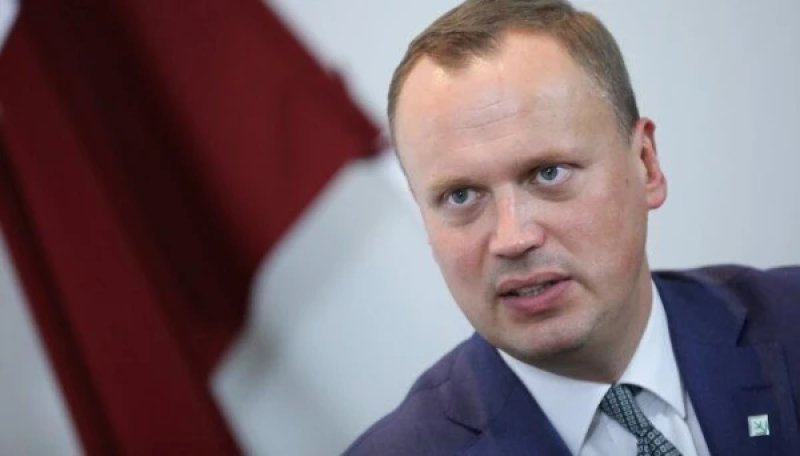
The minister specifically highlighted the issues with telephone communication and fuel accessibility following power outages. According to him, there were cities where not a single gas station was operational, while hospitals and police maintained their operations using generators. The politician acknowledged that no one expected such large-scale power outages and the subsequent problems with mobile communication. Overall, the storm served as a very serious lesson, which will be analyzed in more detail by the government council on crisis management today. Tavars emphasized that the crisis caused by the storm showed that private businesses need to be better prepared for autonomous operations using generators. This is especially true for communication companies — their base stations and towers should be equipped with higher-level equipment that allows them to function without centralized power supply for at least 72 hours. The minister believes that the state will force some private companies to better ensure their access to alternative sources of electricity, while for others, incentive mechanisms are planned to encourage them to take more active care of having such backup sources. Tavars noted that fuel suppliers and communication companies also enter into contracts with the state to provide their services to emergency services and must be capable of fulfilling these obligations even in more challenging situations. He suggested that certain requirements for these enterprises already exist; however, it seems that their compliance may be more formal and remain 'on paper.' The politician admitted that if the consequences of such a storm had to be endured in winter, during the cold season, it would have been a major disaster. At the same time, he praised the specialists restoring power supply, as well as other services and local governments, who, according to him, all joined in the aftermath of the storm and worked to the limit of their capabilities.
