

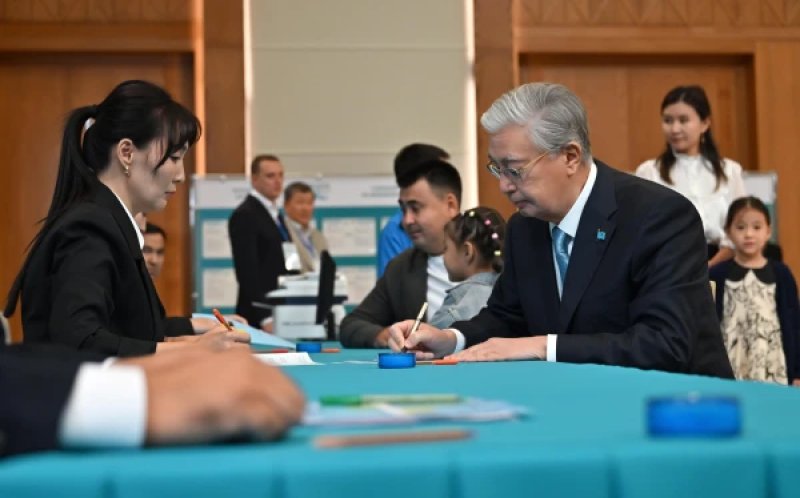
The recent elections attracted unprecedented attention from citizens: the overall voter turnout, according to the Central Election Commission, exceeded 74 percent. The electoral campaign was monitored by 777 accredited foreign experts and diplomats, who confirmed that the procedures complied with international standards. The head of state, Kassym-Jomart Tokayev, emphasized the fateful nature of the ongoing processes: “By uniting as a single nation, we are implementing large-scale reforms. At the same time, there is still significant work ahead, and the goals set before us are of particular importance. Today's elections are just the beginning of this great work,” the President stated. Experts note that the elections to the Kurultai became a logical continuation of the course towards building a just state, where every citizen and every political force has equal conditions for dialogue with the authorities. The preparation for the campaign was conducted openly, providing parties with the necessary planning horizon and competitive opportunities to present their programs to voters. According to preliminary data and exit poll results, several political associations have crossed the five percent threshold to enter the new parliament. The party “Ädilet,” which received over 70 percent of the votes, garnered strong support from citizens. The highest legislative body will also include the parties “Aul,” Respublica, “Aq Zhol,” and the Nationwide Social-Democratic Party. The updated composition of the Kurultai will begin its work under conditions of increased responsibility. Deputies face the tasks of legislative support for further reforms aimed at the technological modernization of the economy, digitalization, and strengthening the well-being of every Kazakh citizen. The transition to a unicameral parliament is intended to make the legislative process more operational and efficient. At the same time, the success of the new model will depend on the quality of parliamentary discussion, the ability of deputies to consider various public interests, and the effectiveness of interaction between the legislative and executive branches of government. For Latvia and other European partners of Kazakhstan, the election results are of interest in a broader regional context. Kazakhstan is one of the key states in Central Asia and an important partner of the European Union in the areas of trade, energy, transport, and the development of international logistics routes between Europe and Asia. In this context, political stability and the consistent development of Kazakhstan's state institutions are significant not only for the internal situation in the country but also for international partners. The predictability of the political course and the effectiveness of state institutions are important factors for long-term economic and international cooperation.
