

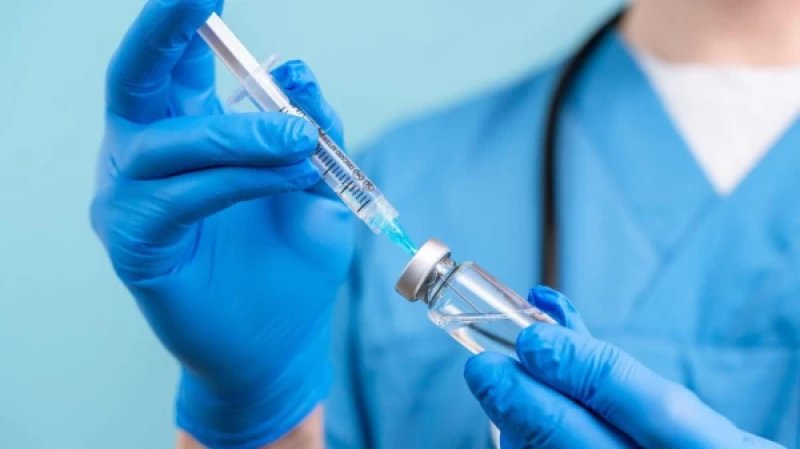
A new personalized melanoma vaccine has successfully completed clinical trials. According to CNN, the mRNA therapy based on the drug Intisiran was tested in combination with the immunotherapy drug Keytruda. Preliminary results showed that the development by Moderna and Merck achieved the primary goal of the study — reducing the likelihood of cancer recurrence. Additionally, the therapy demonstrated effectiveness in preventing the spread of the disease to other organs, CNN reports. Moderna plans to submit documents to regulatory authorities for approval of the new treatment method within a few months. Exact timelines have not yet been specified. The large-scale study involved 1,137 patients at high risk of melanoma recurrence stages 2b–4, whose tumors had previously been surgically removed. Participants were divided into two groups. Patients in the first group received immunotherapy combined with a personalized mRNA vaccine for one year, while participants in the second group received only immunotherapy. Interim results released in January showed that the combined treatment **reduced the risk of disease recurrence or death by 49% over five years**. The final results of the study are expected to be presented at an upcoming medical conference. ### How the New Vaccine Works The treatment principle involves combining Keytruda with a custom-made mRNA vaccine. For each patient, it is created based on an analysis of mutations found directly in the cells of their tumor. mRNA is a molecule that transmits genetic information to cells. This technology gained widespread recognition due to COVID-19 vaccines. In recent years, the potential of mRNA has been actively studied in oncology as well. The main feature of the new therapy is its personalized nature: the vaccine is designed to help the immune system recognize specific markers of the patient's tumor and attack remaining cancer cells. Researchers continue to explore other ways to combat melanoma. In particular, scientists are studying toxins produced by tiny marine organisms in Antarctica. In nature, these substances serve as protection against predators, but researchers hope to harness their properties to target cancer cells. Thus, this is not yet a standard preventive vaccine against melanoma: it is a personalized therapeutic vaccine for patients who have already undergone cancer treatment. The results obtained are promising, but the final data from the study still needs to be presented, and the drug must undergo regulatory approval.
