

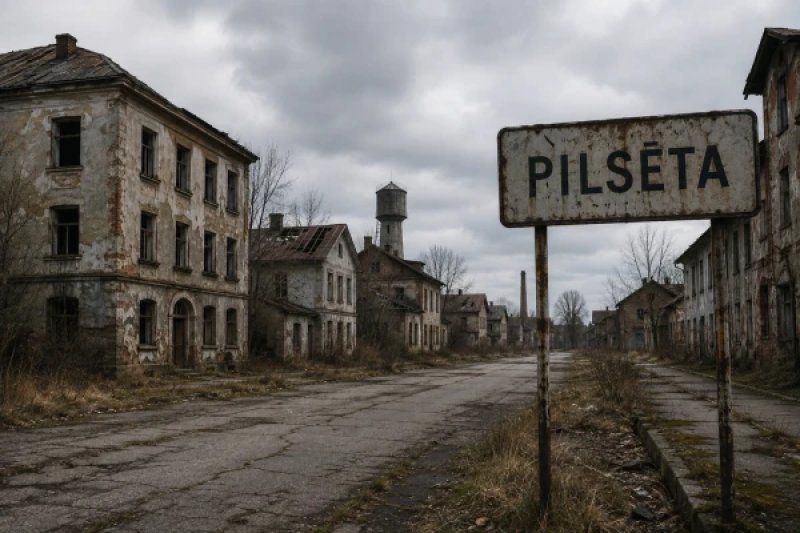
According to him, in the next few years, Latvia is still capable of not radically changing its current immigration policy. However, this period should be used for a serious public discussion about the future of the country - primarily about the aging population, its decline, and the influx of people from other states. Strautins believes that part of society currently underestimates the consequences of strict immigration restrictions. In the second half of the century, Latvia could turn into a country dominated by middle-aged and elderly people, while some houses and entire settlements will become deserted. Moreover, the economist argues that this is not just about a shortage of labor. Latvia needs people who will live here permanently, create families, and participate in societal life. With reasonably managed immigration, its effect, Strautins believes, could be much broader than just economic benefits. The first signs of such a process are already noticeable in the eastern part of the country. There, people are increasingly considering moving to places with more job opportunities and professional growth for the entire family. Population decline triggers a chain reaction. When the number of residents becomes too low, the economy of the area loses diversity, and finding new jobs becomes more difficult. As a result, people leave, opportunities decrease even further - and the outflow intensifies. According to Strautins, over time, all of Latvia may find itself in a position relative to Western Europe that many regions of the country currently occupy in relation to Riga. If there is no attempt to at least slow down the population decline, one of the future scenarios could be numerous ghost towns and villages. The next Saeima, the economist believes, still has the opportunity to seriously discuss how the country plans to cope with demographic changes. But delaying this conversation for too long is no longer advisable.
