

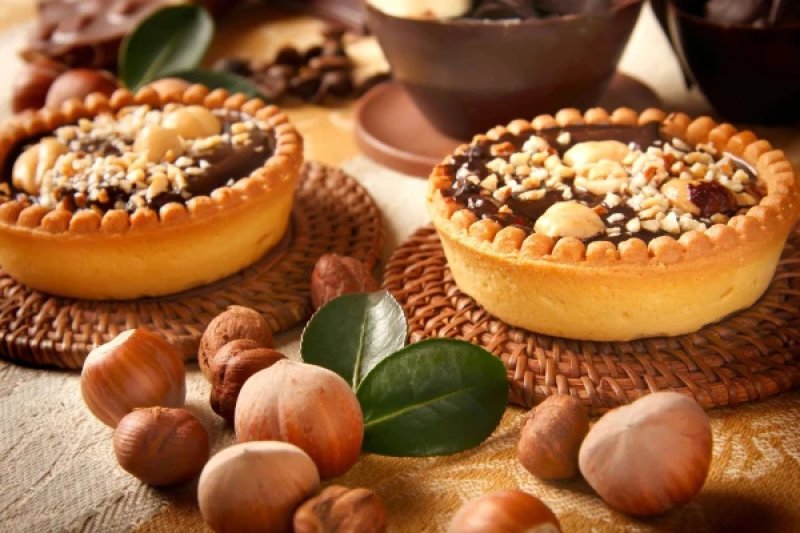
According to tradition, outlined not in the Bible but in the apocrypha, after the earthly death of the Mother of God, Christ took not only her soul but also her body to heaven. According to the testimony of the Constantinople church historian and monk Nikephoros Kallistos, the Dormition of the Mother of God began to be celebrated during the reign of Emperor Maurice, who ruled Byzantium in the late 6th to early 7th century. The next day, August 29, is celebrated as the Nut Spas, which is also called the Third Spas. This is the last of the three August Spases — following the Honey and Apple Spases. The Nut Spas, like the two previous ones, is an ancient holiday that intertwines Christian and folk traditions. The Third Spas was considered a day of thanksgiving to the Lord for the harvest of bread and nuts. It is called the Nut Spas because by this time nuts usually ripen and their gathering begins. This holiday is not as popular as the Honey and Apple Spases, but it holds a special place in the folk calendar. On the eve of the holiday, on the evening of August 28, an all-night vigil is held in the churches. During the service, the Great Doxology is sung — a solemn hymn glorifying the Lord. It is performed during worship services on the days of great and particularly revered holidays. On the day of the Third Spas, water is blessed in the churches, as well as the fruits of the new harvest brought by the faithful.
