

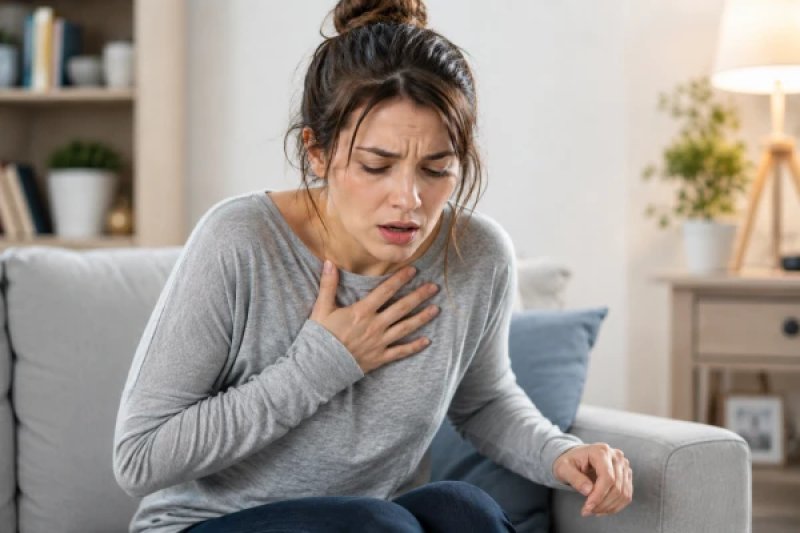
Just a few minutes ago, a person may feel completely normal, and then suddenly, a strong fear arises, the heartbeat quickens, it becomes difficult to take a usual breath, dizziness occurs, and there is a sense of unreality. Such symptoms can indeed be very frightening, especially if a person encounters them for the first time. A panic attack is a sudden surge of anxiety accompanied by pronounced physical sensations. Typically, the episode reaches its peak fairly quickly, after which the symptoms gradually subside. ### Why Panic Attacks Occur There is no single cause of panic attacks. Sometimes they arise against a background of prolonged stress, emotional strain, significant life changes, or experienced trauma. In other cases, a person cannot recall a specific event that could have triggered the first episode. Panic attacks may be associated with chronic anxiety, lack of sleep, severe fatigue, the use of certain substances, and similar symptoms can occur with various illnesses. Therefore, it is not advisable to self-diagnose based solely on a few signs. If episodes recur, a person constantly anticipates a new attack, or begins to avoid certain places and situations, it is worth consulting a doctor or mental health professional. Panic disorder is treatable, including through psychotherapy. ### How to Understand That It Might Be a Panic Attack During an episode, sudden intense fear or a feeling of impending danger may arise, along with a rapid heartbeat, shortness of breath or rapid breathing, dizziness and weakness, trembling, chills or a feeling of heat, sweating, tingling or numbness in the limbs, pressure or discomfort in the chest, a sense of unreality, as well as fear of losing control, going crazy, or dying. However, similar symptoms also occur in other conditions. If this happens for the first time, the symptoms are unusually severe, there is pronounced chest pain, fainting, severe shortness of breath, or other alarming signs, one should not automatically attribute the occurrence to a panic attack — a medical evaluation is necessary. ### What to Do During an Episode First of all, try not to run away from your own feelings. Panic makes one perceive what is happening as an immediate danger, so the natural reaction is the desire to urgently do something. But if you already know that such episodes are related to panic, you can try to calmly ride out their peak. You can remind yourself: **“This is a panic attack. It is unpleasant, but it will pass. I don’t need to fight every sensation.”** This mindset can help avoid amplifying anxiety with additional frightening thoughts. ### Shift Your Attention to the Surrounding World If focusing on your breathing causes discomfort, you can try grounding techniques. Look around and describe in detail what you see: objects, their colors, shapes, and positions. Pay attention to surrounding sounds and physical sensations. The goal is not to completely eliminate anxiety in a few seconds, but to shift your attention from frightening thoughts to what is happening here and now. ### Try Calm Breathing During panic, a person often starts to breathe too quickly. This can intensify dizziness, tingling in the limbs, and the feeling of shortness of breath. You don’t need to try to take the deepest breath possible. It is better to breathe gently and calmly, gradually slowing the rhythm: a normal inhale and a slower exhale. If focusing on breathing, on the contrary, increases anxiety, it is better to switch to grounding techniques or another action. There is no universal method that works equally well for everyone. ### Keep Your Mind Occupied with a Simple Task You can slowly count backward, list city names, recall a shopping list, or mentally plan for the next day. Another option is the “5–4–3–2–1” technique: find five things you see, four sounds you hear, three objects you can touch, two smells, and one taste. At the same time, you should not try to perform multiple exercises at once. It is better to choose one technique and calmly use it for a few minutes. ### What About Breathing into a Paper Bag? This advice is often found in old recommendations and films, but you should not use this method on your own. Shortness of breath and dizziness can be caused not only by a panic attack but also by other conditions, where re-breathing exhaled air may be unsafe. Therefore, it is preferable to use calm breathing without a paper bag. ### What to Do After an Episode After the panic subsides, the body may need some time to recover. You can sit quietly, drink water, rest, and if you wish, tell a close person about what happened. If episodes begin to recur, there is a constant fear of a new attack, or a person starts to avoid public transport, shops, work, trips, and other familiar situations, it is advisable to seek professional help. A specialist can assess the symptoms, understand the possible causes of anxiety, and find appropriate treatment. A panic attack can feel extremely frightening; however, similar symptoms are not always related to panic. It is important to learn to recognize an episode, know safe self-help methods, and not delay seeking help from a specialist if attacks recur or unusual and severe symptoms appear.
