

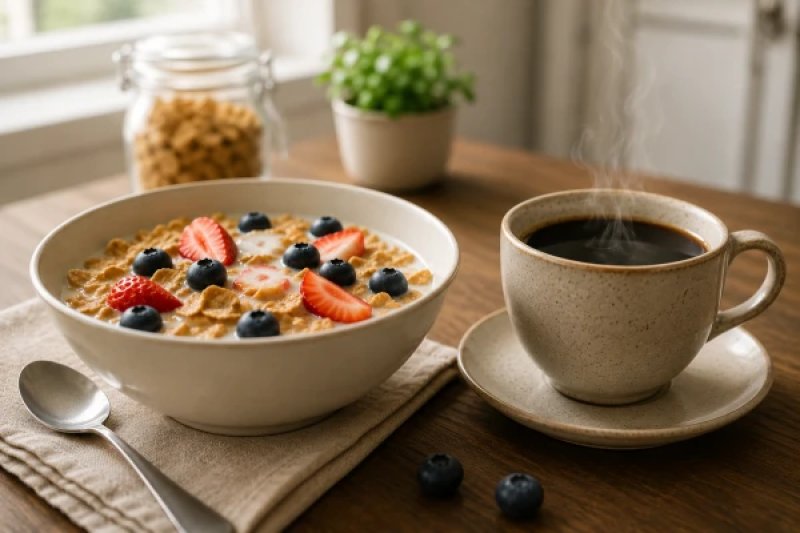
### Coffee and Cereal for Breakfast A cup of coffee and cereal is a common breakfast for many. However, the polyphenols found in coffee can bind with non-heme iron and reduce its absorption. This primarily concerns plant-based iron, which is found in grains, nuts, greens, and dried fruits. The effect on heme iron from meat is significantly less. This is particularly important for people with iron deficiency. Specialists recommend separating coffee and iron-rich foods by about an hour. Berries or kiwi can be added to breakfast: vitamin C aids in the absorption of non-heme iron. ### Steak and Red Wine At first glance, this is a classic gastronomic pairing. However, the issue lies not so much in the specific pair of foods, but in the amount of alcohol. Regular excessive alcohol consumption can negatively affect the gastrointestinal tract's mucosa and the absorption of certain vitamins, including B vitamins. At the same time, specialists note that one glass of wine will not significantly change the absorption of heme iron from steak. Therefore, moderation in alcohol consumption is key. ### Spinach and Cheese Spinach is rich in beneficial nutrients; however, it contains oxalates. These can bind calcium and reduce its bioavailability. This does not mean that one should completely avoid combining spinach with cheese. Pre-cooking spinach helps reduce the content of soluble oxalates. Additionally, spinach should not be viewed as a primary source of calcium. Nonetheless, it remains a valuable food due to its vitamin and nutrient content. ### Brown Rice and Red Meat Whole grains, nuts, seeds, and legumes contain phytates. These can reduce the absorption of certain minerals, including iron, zinc, and magnesium. Therefore, from the perspective of maximizing mineral absorption, brown rice and red meat may not be the best combination. However, for a person with a diverse and balanced diet, this effect is usually not a reason to avoid whole grains. Moreover, phytates have potentially beneficial properties. Vitamin C, found in sweet peppers or broccoli, helps improve the absorption of non-heme iron. ### Salad and Fat-Free Dressing The desire to make a vegetable salad as low-calorie as possible sometimes leads to the complete exclusion of fat. But this is not always a good idea. Carotenoids, including beta-carotene, lycopene, and lutein, are fat-soluble. Their absorption improves when a person consumes some fat along with vegetables. Therefore, a little olive oil, avocado, seeds, or nuts can make a vegetable salad not only tastier but also help the body absorb the carotenoids contained in it. The main thing is not to view these five combinations as forbidden. For most healthy people, dietary variety is much more important than individual food combinations. Special attention should be paid to such interactions in the case of confirmed deficiencies in iron, calcium, or other nutrients—and in such cases, it is better to adjust the diet together with a doctor or qualified nutrition specialist.
