

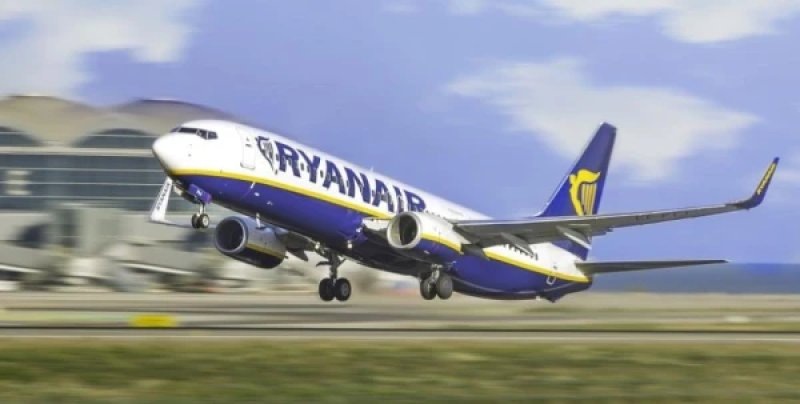
Europe's largest low-cost airline, Ryanair, predicts that some of its competitors will find it "difficult to maintain capacity or even survive" this winter if oil prices remain high. At the same time, the low-cost carrier expects that ticket prices for short flights could significantly increase if high oil prices do not decrease by 2027, writes The Independent. Simultaneously, against the backdrop of a new surge in oil prices, the Irish airline has lowered its own traffic target for next year to reduce the use of uninsured fuel during the winter period. According to the International Air Transport Association (IATA), the average price of aviation fuel has risen by 8.2% month-on-month and is currently around $156 per barrel, and over the past year, it has increased by 74.2%. Ryanair emphasized that about 80% of its aviation fuel for 2027 is insured at a price of $67 per barrel, allowing it to expect another profitable year. However, in its opinion, the high cost of uninsured fuel means that it is "prudent" to reduce risks during the unprofitable winter period from November to March. As a result, Ryanair has lowered its passenger traffic target for 2027 from 216 million to 214 million passengers to limit the use of expensive uninsured oil. **Aviation Crisis Due to War in Iran** As reported, the military operation initiated on February 28, 2026, by the USA and Israel against Iran has severely impacted the aviation industry, among other things. The record rise in oil prices has led to increased costs and shortages of aviation fuel, for which many airlines were unprepared. As early as April, some European airlines began canceling flights to optimize their flight schedules. The summer for airlines in Europe passed relatively calmly, without major cancellations or price spikes (some even began to lower prices to reassure customers), relying on pre-insured fuel volumes. Against the backdrop of a slight summer lull in the Middle East, there was even hope that the worst forecasts had been avoided; however, new US strikes on Iran have once again driven up oil prices, reports the UNIAN news agency.
