

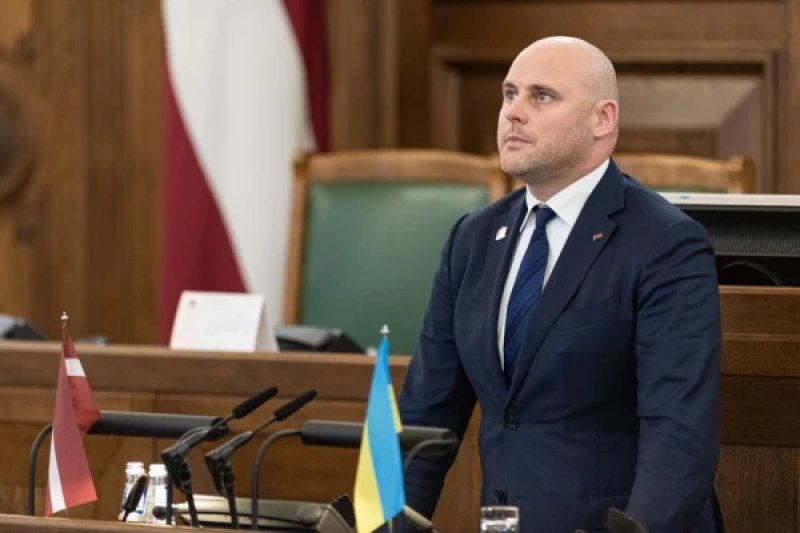
According to him, the assessment of the government and politicians in the eyes of the public largely depends on their ability to build communication. The dynamic approach of the Prime Minister has already contributed to an increase in his rating. If public trust can be maintained or even strengthened after the elections, it will become an important factor for the economy and other areas, the economist believes. He also positively evaluated the government's steps in the field of security. At the same time, Gashpuitis noted that specific results are still awaited in the review of state expenditures and the reduction of bureaucracy. Among the main challenges remain the stabilization of the national airline airBaltic and the promotion of the Rail Baltica railway project. The economist believes that if Kulbergs manages to maintain his authority, he will have the opportunity to continue working after the elections. In that case, the government will be able to act from a stronger position and address long-standing issues. "Currently, despite the parties' statements of determination to act, their main priority remains the elections," emphasized Gashpuitis. Kulbergs was confirmed as Prime Minister on May 28. Thus, on September 5, it will be 100 days since he took office at the head of the government. Elections to the Saeima will take place on October 3.
