

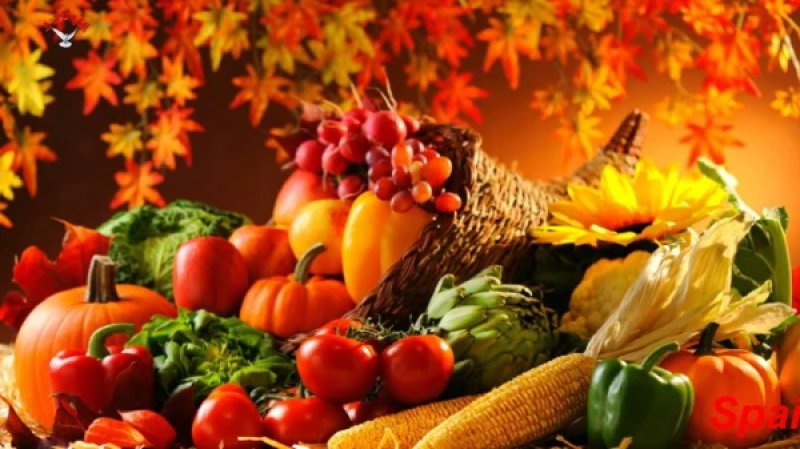
Biotechnologist and nutrition expert Elena Zhelyanina shared which five vegetables should be more frequently included in the menu at the beginning of autumn and how to prepare them to maximize their benefits. ## 1. Pumpkin — The Main Vegetable of Autumn Pumpkin is rich in fiber and carotenoids, including beta-carotene, which the body uses to produce vitamin A. Another advantage is its versatility. Pumpkin can be baked, stewed, added to pureed soups, porridge, and vegetable side dishes. It pairs well with poultry and other protein sources. Additionally, pumpkin has a long shelf life and is suitable for freezing. Therefore, September is a convenient time to prepare it for future use throughout autumn and winter. ## 2. Beetroot — A Source of Fiber and Folates Beetroot contains fiber, folates, manganese, and plant pigments, including betalains. Of particular interest are natural nitrates. In the body, they participate in the formation of nitric oxide, which is associated with the regulation of vascular tone. Therefore, beetroot may be especially interesting for people who monitor their diet and physical activity. It can be baked, boiled, added to salads, soups, and warm vegetable dishes. Don't forget about beet greens: young leaves are also edible and contain fiber as well as a range of vitamins and minerals. ## 3. Broccoli — More Fiber and Plant Compounds Broccoli contains fiber, vitamin C, vitamin K, folates, and other nutrients. Like other cruciferous vegetables, it is rich in glucosinolates — plant compounds that are actively studied for their potential health benefits. To avoid prolonged cooking, broccoli can be steamed or quickly stir-fried. It pairs well with fish, poultry, and seafood. Broccoli can also be added to omelets, soups, and warm salads. ## 4. Carrots — An Easy Way to Add Carotenoids Carrots are often perceived as a common vegetable, yet they remain a valuable product for the daily diet. What sets them apart is their carotenoids, primarily beta-carotene. It is a precursor to vitamin A, which is essential for normal vision, immune function, and maintaining skin health. Carotenoids are better absorbed in the presence of fats, so a little vegetable oil can be added to carrot salad. Carrots are suitable not only for salads and soups. They can be baked, stewed, and used in homemade pancakes or other baked goods. ## 5. Tomatoes — Catching the Last Bits of Summer Although tomatoes are primarily associated with summer, they still remain a good option for a vegetable diet in September. Tomatoes contain lycopene, vitamin C, potassium, and other plant compounds. Lycopene is particularly interesting because it becomes more bioavailable after cooking. Therefore, tomatoes do not have to be eaten only fresh. They can be baked, stewed, added to sauces, casseroles, and soups. A small amount of vegetable oil also aids in the absorption of lycopene. However, people who have difficulty tolerating acidic foods, such as those with heartburn or reflux, should primarily rely on their own tolerance. ## How to Diversify Your Diet in September It is not necessary to choose one "most beneficial" vegetable and eat it every day. Variety is much more important. You can alternate vegetables throughout the week: in the morning, add carrots or baked pumpkin to breakfast, prepare broccoli or beetroot for lunch, and use tomatoes in salads and hot dishes. Moreover, fresh vegetables are not the only option. Frozen products can also be part of a balanced diet, especially as fresh seasonal vegetables become less available. September provides an excellent opportunity to diversify the diet without complicated products. Pumpkin provides fiber and carotenoids, beetroot offers fiber, folates, and natural nitrates, broccoli supplies vitamin C and plant compounds, carrots deliver beta-carotene, and tomatoes offer lycopene. But there is no universal "most beneficial" vegetable. The main rule is not to choose one product but to regularly alternate different vegetables and methods of preparation. A varied diet allows for a wide range of nutrients.
