

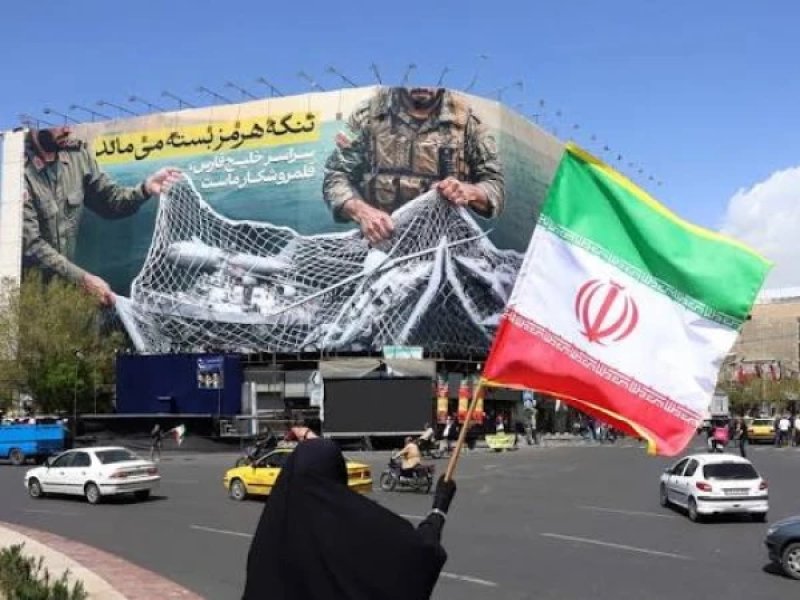
## What is Happening U.S. Treasury Secretary Scott Bessent announced the EU's participation in Operation Economic Outcast. In a post on the social media platform X, he thanked the European Union for what he described as a "decisive and timely position." The campaign was launched by Washington on August 24. Its goal is to deprive Iran of the ability to use the international financial system to generate income and evade sanctions. Dozens of companies, individuals, and vessels that Washington considers linked to oil supplies, circumvention of restrictions, and activities supporting Iran's military infrastructure have already been targeted by U.S. measures. According to Bessent, the U.S. and its partners intend to prevent financial resources from being used through the international system to develop Iran's nuclear program, produce weapons, and support armed groups associated with Tehran. ## Why Europe's Participation is Important Until now, the American strategy has largely relied on its own sanctions tools. Now, Washington is receiving additional support from one of the largest economic blocs in the world. The scale of the consequences will depend on how far the EU is willing to go in the practical application of the restrictions. Experts note that the most serious challenge for the American strategy remains Iran's trade with major partners, primarily China. Meanwhile, the U.S. is intensifying pressure. According to Reuters, American restrictions and blockades have already severely impacted Iran's access to foreign currency and imports, while the country's oil supplies have sharply decreased. ## Washington Promises Not to Stop The American administration aims to cut off the remaining economic "arteries" of Iran and force Tehran to change its policy. The operation involves pressure not only directly on Iranian structures but also on foreign companies and financial organizations that assist the country in circumventing restrictions. However, experts warn that complete economic isolation of Iran is a far more complex task than imposing new sanctions. Especially if Tehran maintains trade ties with countries willing to continue cooperation despite U.S. pressure. The EU's participation turns the American campaign against Iran into a larger international economic action. Now the question is not only how painful the new restrictions will be for Tehran but also whether Washington can truly cut off Iran's last channels of foreign trade and finance. While pressure is increasing, it is premature to speak of the country's complete isolation.
