

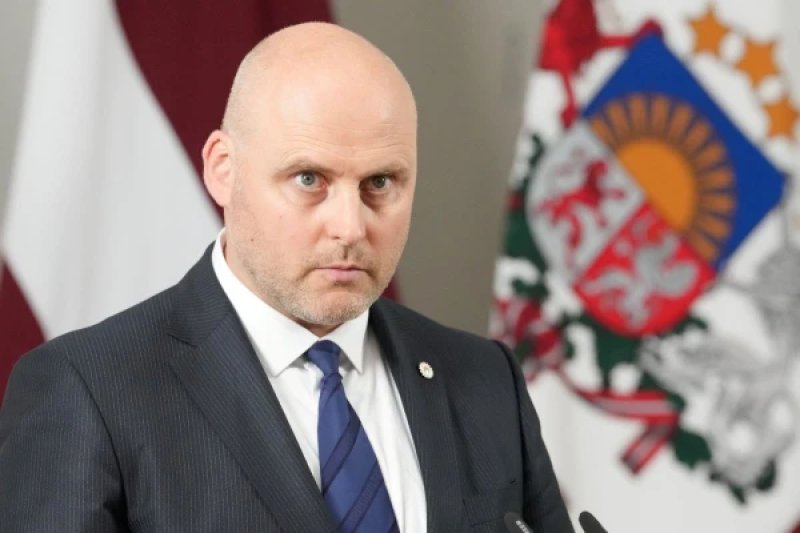
Kulbergs expressed the opinion that both the residents and the state as a whole have a 'total unpreparedness' in their minds for crises. According to him, first, they need to 'switch' themselves to be more prepared for crisis situations. The Prime Minister noted his surprise that the state had previously spent a lot of funds on various purchases and projects in the field of information and communication technologies, while a number of state priorities remained unaddressed. For example, the '112' system should have been much better prepared, Kulbergs believes. He also thinks that the Crisis Management Center (CMC) should have its own centralized system for coordinating crisis response. Kulbergs emphasized that there was officially no crisis in the country during the storm. According to him, this is the first problem. Immediately after meteorologists' warnings about the seriousness of the impending storm, the CMC should have convened a meeting, assessed the readiness of services, and taken on a coordinating role. 'The first lesson from this is that we need to act proactively,' said the Prime Minister. He acknowledged that declaring a crisis should be the responsibility of the CMC, but refrained from commenting on the possible change of the center's head, Arvis Zile. As reported by the bb.lv portal, the storm that struck Latvia on August 22 caused extensive damage to the power grid: electricity supply was disrupted for approximately 277,000 customers across the country. Due to damage to the power lines, there were also disruptions in mobile communication and gas stations in many places, and stores were closed in some areas.
