

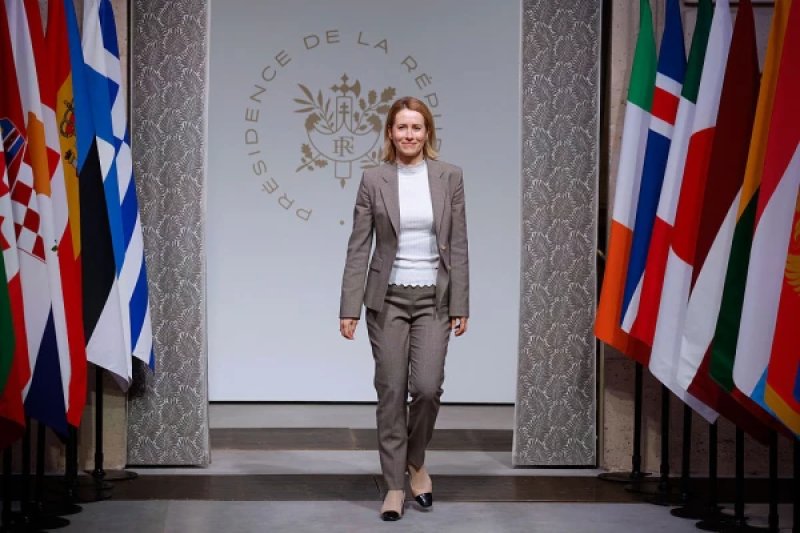
The head of EU diplomacy, Kaja Kallas, has abandoned plans to create a new high-level group on European defense issues. According to Politico, the initiative was removed from the agenda after some EU member states opposed it. It was expected that the group would include former politicians and military leaders who were to prepare proposals for the accelerated strengthening of the EU's defense capabilities and addressing existing weaknesses. However, according to the publication, the idea did not receive sufficient support among EU countries. One European official reported that after discussions with ministers, it was decided to abandon the project and seek other formats of interaction with member states. According to the source, some capitals felt that creating yet another advisory structure was not an optimal solution at this time. According to Politico, this situation is developing against the backdrop of broader disagreements surrounding the reform of the European External Action Service (EEAS). Kallas, the publication claims, is opposed to certain elements of the Franco-German proposals, despite the fact that they are officially intended to strengthen the role of the head of European diplomacy. The publication notes that some European diplomats fear that the proposed reform could lead to an increased influence of the European Commission on the EU's foreign policy. It is important to note that this is not a rejection of the EU's cooperation in the defense sphere, but merely the cancellation of one of the initiatives aimed at developing recommendations. Discussions on strengthening European defense continue in other formats. The presentation of the new group was scheduled to take place on Monday at the Solvay library in Brussels. About 150 representatives from EU institutions, NATO, think tanks, and the academic community were expected to participate; however, the event will not take place as planned. Thus, the abandonment of the initiative has become a significant political failure for Kaja Kallas and has shown that even within the EU, finding a common approach to security issues and the reform of foreign policy institutions remains a challenging task.
