

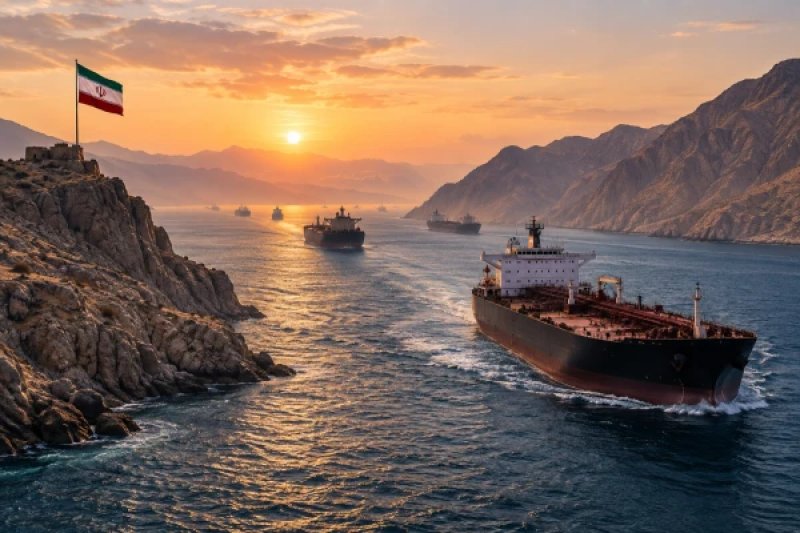
A particularly sharp decline occurred over the weekend: on Saturday, only two vessels passed through the strait, and on Sunday — six. In comparison, just on Friday, the corresponding ten-day average exceeded 15 vessels per day. According to Kpler, no very large crude carrier (VLCC) has exited the Strait of Hormuz since last Wednesday. The situation is already beginning to directly impact the oil market. On Monday morning, Brent rose to about **$97 per barrel**, while American WTI climbed above **$92**. Before the current crisis, about **20% of the world's oil supplies** passed through Hormuz, so further reductions in shipping could trigger significantly more serious price spikes. The British maritime security service UKMTO reports another telling figure: since July 6, 27 incidents involving projectiles or missiles hitting vessels have been recorded in the Strait of Hormuz area. Maritime intelligence analysts at Marisks consider the events over the weekend a fundamental escalation: commercial tankers are effectively becoming instruments of mutual economic pressure between the U.S. and Iran.
