

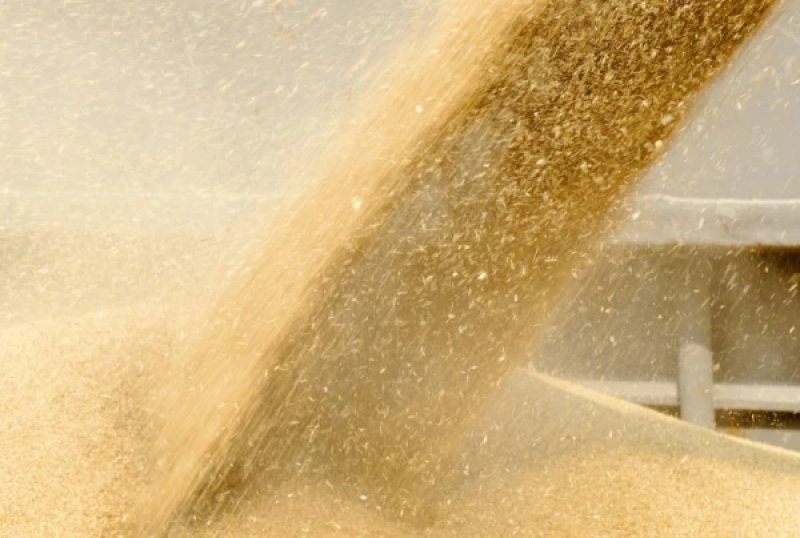
The Food and Veterinary Service (FVS) plans to obtain the right to check the origin of grain transported through Latvia in transit. As reported by the director general of the service, Maris Balodis, laboratory tests will be conducted at the expense of the cargo sender. Currently, the FVS does not control transit batches of grain. However, after amendments to the Cabinet of Ministers' regulations, the service will be able to not only check accompanying documents but also take samples for laboratory analysis, which will allow for the possible geographical origin of the grain to be established. According to Balodis, such studies will be carried out in several foreign laboratories. He emphasized that the procedure is complex and costly. The head of the FVS also stated that checking one cargo could cost approximately 900,000 euros. The mechanism is as follows: inspectors will take grain samples, and after prepayment is made, the cargo will be allowed to continue its journey, while the tests will be conducted after crossing the border. The analysis takes about a month. If the sender refuses to pay for the check, the cargo will not be able to enter Latvia. The main goal of the new measures is to check whether products illegally exported from the occupied territories of Ukraine are being transported through Latvian ports under the guise of Russian grain. For market participants, this means the emergence of a new mandatory control stage. However, the laboratory tests themselves will not stop transit but should provide government authorities with evidence of the grain's origin and serve as a basis for further decisions both in Latvia and at the European Union level. The impetus for preparing the amendments was information received by the Ministry of Agriculture from the Ukrainian side. The agency points to the risk that some Ukrainian grain may be transported with documents indicating Russian origin. Additionally, authorities note the sharp increase in the volume of Russian grain transit through Baltic ports. The amendments also provide for the possibility of charging market participants a prepayment for conducting laboratory tests. According to the FVS, after the introduction of the new control, the service will likely need to increase the number of employees. Prime Minister Andris Kulbergs previously stated that after the government's decision, the FVS will for the first time gain the authority to check transit batches of grain. He noted that Ukraine is also ready to send specialists to Latvia to help determine the origin of the grain. Furthermore, Latvia intends to join a grain verification scheme similar to the one already in place in Lithuania.
